
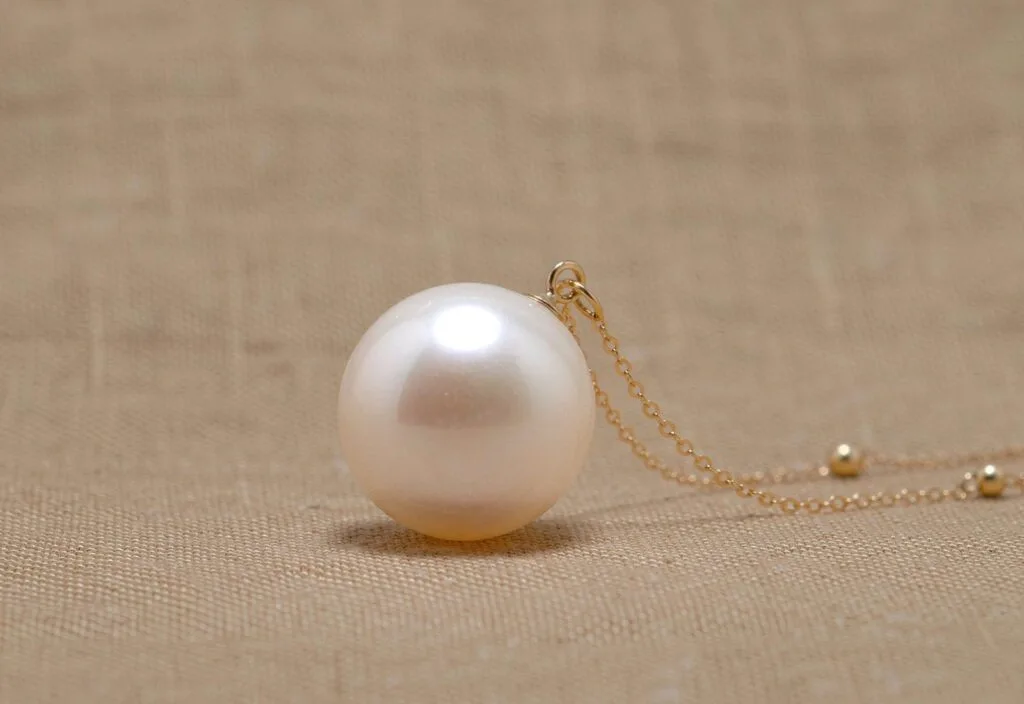
Pearl jewelry trends in 2027 are not another fashion cycle. The drivers this time are supply and price, not just runway styling. This guide breaks down five real shifts and what each one means before you spend.
2. Why This Pearl Wave Is Different
Pearl revivals used to arrive on the back of magazine spreads and designer collections. A house would put pearls on a runway, editors would repeat it, and the look would drift down to stores over a year or two.
2.1 The old revivals ran on media
Past comebacks were demand-led. A trend started with taste makers, then filtered into retail. The supply of pearls itself did not change much, so the “trend” was mostly a styling idea wearing a familiar material.
2.2 This one runs on supply
The current shift is built differently. Freshwater pearl farming has improved fast, and the volume of good-looking beads available at fair prices has grown. When better pearls get cheaper, the design freedom expands, and more makers can experiment. Cheaper round pearls mattered less than cheaper characterful ones, because the irregular and colored beads that once cost a premium are now farmable at scale.
2.3 The tell-tale clue
The signal is simple: when “cheap and good” becomes common, trends stop living on runways and start showing up in everyday wardrobes. That is exactly what is happening now, which is why this wave feels less like a fad and more like a reset.
3. Five Shifts Shaping 2027
Each shift below gives the phenomenon, the driver behind it, and the practical effect on a buyer.
3.1 Shapes over size
Baroque and irregular pearls have moved from “off-cut” to design language. The driver is supply: farming now yields more characterful, non-round beads at reachable prices, so makers lean into the irregular look instead of hiding it. For buyers, this means a single baroque drop can read as more modern than a perfect strand, and you are no longer paying a premium just for roundness. A baroque bead at a given luster is usually far less expensive than a round one of equal shine, which is why the look spread from couture to everyday retail.
3.2 Color becomes the point
Natural lavender, peach, and metallic-freshwater tones are now treated as their own category rather than a deviation from white. The driver is both farming skill and buyer appetite for something that is not ivory. For buyers, colored freshwater pieces offer a way to wear pearl without looking like every classic strand on the shelf, but color should come from the pearl itself, not a coating.
3.3 Bigger is back
The 8 to 10 mm range is returning to the mainstream after years of 6 to 7 mm dominating. The driver is confidence in supply: larger beads that still look clean are easier to source now. For buyers, size changes how a piece reads on the body, so length matters as much as diameter. The pearl necklace length guide explains how each length sits and which necklines it suits.
3.4 Pearls beyond the necklace
Ear cuffs, brooches, bag charms, and men’s pieces are pulling pearls out of the jewelry box and onto more surfaces. The driver is the everyday-wear push: a small pearl detail works in more outfits than a full strand. For buyers, this is the lowest-risk way to join the trend, because a single pearl accent costs far less than a coordinated set. The men’s pearl bracelet and choker, in particular, moved from niche to mainstream in 2027, which widened the buyer pool without asking anyone to wear a full strand.
3.5 Everyday over occasion
The shift from “saved for special occasions” to “worn with a T-shirt” is the quiet engine of the whole wave. The driver is the same supply easing that makes casual styling affordable. For buyers who want ideas on pulling this off, the how to wear pearls guide covers modern pairings that do not feel formal.
4. What China’s Freshwater Supply Is Doing to the Market
The supply story is not guesswork. China grows roughly 95 percent of the world’s freshwater pearls, based on 2026 industry estimates, and that concentration shapes price and variety for everyone.
4.1 Where the volume comes from
Freshwater output is concentrated in Chinese farming regions, and that scale is why good beads are more available than they were a decade ago. When one region improves both yield and quality, the global shelf fills with options that used to be rare, and import-dependent markets feel the difference at retail. When one region improves both yield and quality, the global shelf fills with options that used to be rare.
4.2 How quality lowered the “pretty pearl” threshold
Better nucleation and longer culture times have lifted the average luster and surface of commercial freshwater pearls. The practical result is that a strong-looking strand no longer requires a saltwater price tag, which is the single biggest reason trend pieces feel accessible right now.
4.3 Why high-premium branded pearls are under pressure
When clean freshwater pearls are widely available, the justification for a large brand markup weakens. Buyers can compare a branded piece against a plainly similar bead and ask what the premium actually buys. That pressure is healthy, but it also means some “designer” labels are selling farming improvements as if they were exclusive design.
Pearl is a soft material, 2.5 to 4.5 on the Mohs hardness scale, so how a trend piece is finished and stored matters as much as how it looks. GIA’s pearl care guidance covers the basics of keeping the surface intact.
5. What These Trends Mean for You
The trends are only useful if they help you buy better, not just buy more.
5.1 What to buy that will not date quickly
Pieces built on a real material fact, like a well-matched baroque drop or a clean colored freshwater bead, age better than a shape that is only fashionable this season. Buy the bead, not the hashtag.
5.2 Which “trend pieces” carry the highest premium
The steepest markups sit on items where the trend is the whole pitch: limited colors, designer-baroque framing, and small runs. You can often wait, because the same look reaches the wider market within a season or two. If a piece is priced high mainly because it is labeled a trend, compare it against a plain bead of similar quality before paying the difference.
5.3 What to buy at three budget levels
At around 50 dollars, a single baroque stud or a simple pendant gets you into the look. At around 150 dollars, a clean colored freshwater strand or a matched drop pair delivers real presence. At around 300 dollars, you can choose a larger or better-lustered piece without chasing a brand name. For the bigger-picture question of whether pearls hold value, the freshwater pearl investment guide weighs the trade-offs honestly.
6. Trends to Be Careful With
Three patterns show up repeatedly in buyer communities and deserve skepticism.
6.1 The “limited color” pitch
A “limited” color is often just a standard freshwater tint with a scarcity story attached. If the shade is a natural pearl color, it is unlikely to be truly scarce. Ask whether the color is rare or merely described that way.
6.2 Baroque dressed up as “designer”
A baroque pearl is irregular by nature, which is its appeal. Some sellers wrap an ordinary irregular bead in designer language and a higher price. The shape is not proof of design, so judge the setting and finish, not the sales copy. A genuine designer baroque piece shows in the mounting and the clasp, not in the bead being slightly less round than average.
6.3 Trend premium equals money you pay now
Every trend surcharge is a bet that the look will still feel current later. Often it does not. The safer move is to buy the pearl you would wear anyway and treat the trend as a bonus, not the reason.
7. FAQ
What are the pearl jewelry trends for 2027?
The five shifts are baroque and irregular shapes over perfect round ones, natural colored freshwater pearls as a category, the 8 to 10 mm range returning, pearls appearing beyond necklaces, and everyday casual wear replacing occasion-only styling.
Are baroque pearls still in style?
Yes. Baroque pearls are a core 2027 trend rather than a passing novelty, because their irregular shape reads as modern and each bead is unique. They work as drops, on gold links, or as a single statement piece.
Is colored freshwater pearl jewelry a real trend?
Yes. Natural lavender, peach, and metallic freshwater tones are treated as a distinct category in 2027, not a flaw. The key is buying color that comes from the pearl, not a surface coating that may fade.
Are bigger pearls coming back?
Yes. The 8 to 10 mm range is returning to the mainstream after years of smaller beads leading. Bigger pearls change how a piece sits on the body, so consider necklace length alongside diameter.
Should I buy trend pieces or classic pearls?
Buy the pearl you would actually wear. Trend pieces are fun but can date, while a clean classic strand stays useful. A balanced approach is one trend accent plus one timeless piece you reach for often.
Are pearl jewelry trends different in Asia and the West?
The shapes and colors move together globally because supply is shared, but styling differs. Asia leans earlier into full looks, while Western retail often meets the trend through runway and influencer pacing. The beads are largely the same.
8. Conclusion: Buy the Pearl, Not the Trend
A trend is only worth following if it helps you buy a better bead. The 2027 shifts are real because supply changed, not because a magazine said so.
| Budget | Chase the trend | Buy the classic |
|---|---|---|
| Around 50 dollars | One baroque stud or simple pendant | One clean stud you wear daily |
| Around 150 dollars | A colored freshwater strand | A matched drop pair with good luster |
| Around 300 dollars | A larger statement bead | A better-lustered strand you keep for years |
Before you pay the trend premium, check the bead first. The pearl outlasts the hashtag.