
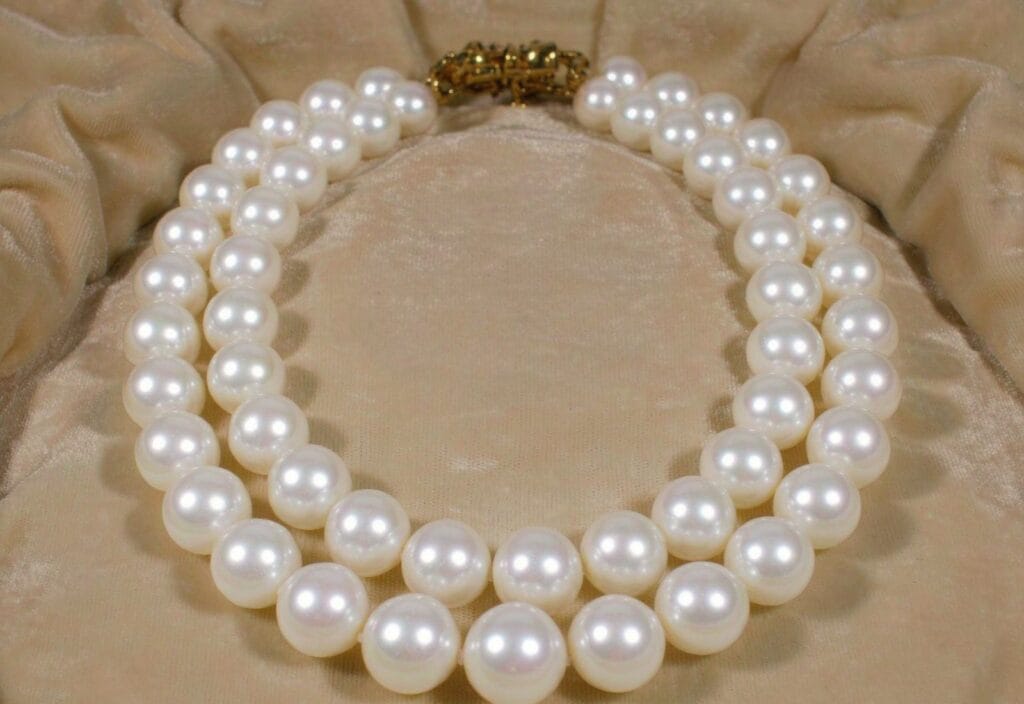
A pearl jewelry set promises coordination and often a lower price than buying each piece alone. Necklace, earrings, and sometimes a bracelet or ring, sold as one package. But does the bundle really save money, or does it quietly cost more? This guide walks through five checks you should run before you pay for a set.
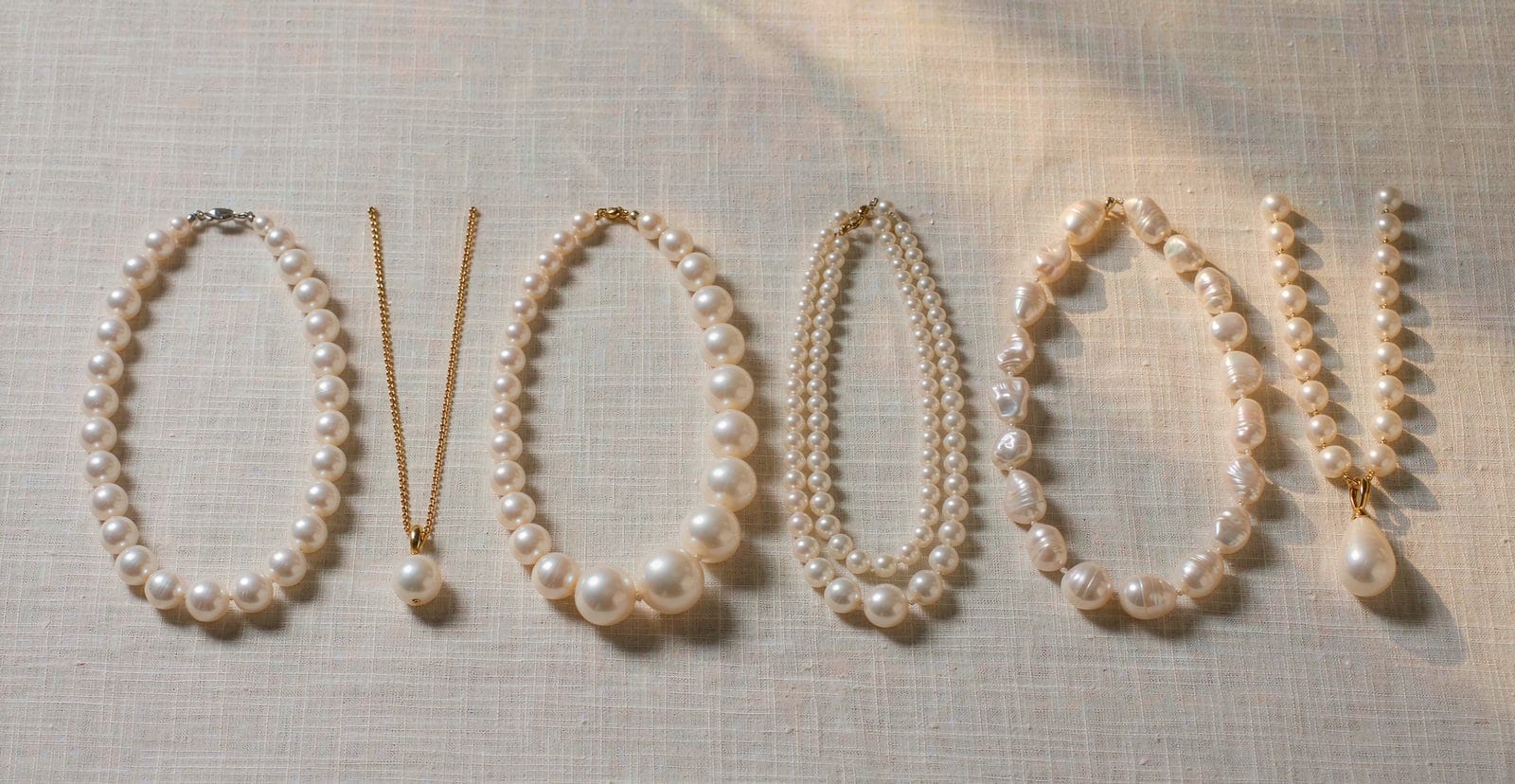
2. Set vs Buying Separately
A set looks cheaper on the tag. The reason is simple: one batch of pearls, one production run, and one box. Sellers pass a little of that saving to the buyer. That saving is real when the pieces share the same batch and the same quality level.
2.1 Why a set costs less
When a maker strings a necklace and pairs it with earrings from the same lot, there is no second sourcing step. The clasps, the wire, the labor, and the packaging are all planned together. That efficiency shows up as a lower sticker price than two separate purchases would add up to.
2.2 When a set actually saves you money
A set saves money when the pieces are genuinely matched. Same pearl type, same color family, same luster, and a consistent size. If the necklace and earrings clearly came from one batch, you are getting coordination that would cost more to assemble yourself.
2.3 When a set quietly costs more
A set costs more than it looks when the maker stuffs the package with lower-grade pieces. Earrings finished in plated metal instead of real pearls, or a bracelet strung from off-cuts, can hide inside a pretty box. You pay for a “complete look” while only one piece carries real value.
3. What Is Usually Inside a Set
Most sets pair a necklace with earrings. That is the classic two-piece format and the easiest to wear day to day. The necklace carries the main visual weight, while the earrings echo the same pearl tone.
Some sets add a bracelet for a three-piece group, or a ring for a four-piece group. The extra pieces extend the look across more of the body, which is why sets appeal to gift buyers and bridal parties.
Within any set, the main pearl size sets the tone. A necklace built on 7 to 8 mm pearls paired with 5 to 6 mm earrings is a common combination. The size relationship between pieces is part of what makes a set feel intentional rather than assembled.
4. The 5 Checks Before You Buy
These five checks map directly to the promise a set makes. Run them in order, and a weak set will reveal itself fast.
4.1 Bead consistency
The single biggest value point in a set is matching. The pearls across the necklace, earrings, and any extra piece should share color, luster, and size. Hold the pieces side by side in daylight. If the earrings look flat while the necklace glows, the set was not built from one batch.
Consistency is the difference between a set that looks designed and a set that looks bundled. When the pearls harmonize, the whole outfit reads as one decision. When they do not, the mismatch telegraphs “bargain bin” even at a high price.
4.2 Main pearl size and piece ratio
Look at how the pearl sizes relate across the pieces. A necklace on 7 to 8 mm pearls next to earrings on 5 to 6 mm pearls is normal and balanced. A necklace on 8 mm pearls next to tiny 4 mm earrings is a cheap-signal mismatch that breaks the eye line.
Size should feel proportional to each piece’s role, not minimized to save cost. If the earrings look like an afterthought, treat the set as a necklace with freebies rather than a true matched group. For length planning on the necklace, see the pearl necklace length guide for the option that fits your body type.
4.3 Clasp and ear-post material
The metal decides comfort, durability, and resale honesty. Solid 925 silver or gold-filled findings last and suit sensitive skin. Thin gold plating over base alloy can flake and tint the skin within months.
Pearl sits at 2.5 to 4.5 on the Mohs hardness scale, which is soft compared with most gemstones, so the setting and posts take the daily wear instead of the pearl. GIA explains pearl durability and care in its pearl quality factors, and that context matters when you judge how a set will age.
4.4 Modify-ability of individual pieces
A good set still respects the wearer. Can the necklace be shortened or lengthened? Can a ring be resized? Sets that lock you into one fixed length or one fixed size trade flexibility for the bundled price.
Adjustability is not a luxury. It is what lets a set survive a gift recipient with a different neck size, or a ring that does not fit on the first try. If none of the pieces can be altered, the discount only looks good until it does not fit.
4.5 Returns and after-sales
Read the return rule before you buy. Some sellers accept the whole set back, others refuse once the sealed package is opened, and a few reject a return if any single piece is removed. A set that cannot be partially returned is a set you must be sure about up front.
After-sales matters more for sets than singles because there are more points of failure. A loose earring post or a broken clasp should have a clear fix path. If the listing is silent on repairs, assume you are on your own.
5. When a Set Makes Sense
A set makes sense as a gift. The coordination is already done, the packaging is uniform, and the recipient gets a complete look without assembling it. For someone who does not own pearls yet, a set removes the guesswork.
Sets also suit weddings, bridesmaids, and mother-daughter matching. When several people need to look coordinated in photos, buying one design as a set is simpler and often cheaper than sourcing matching singles from different listings.
First-time buyers who want a basic, wearable wardrobe of pearls benefit most. A set delivers a necklace and earrings that already agree, which is a gentle on-ramp into the category.
6. When to Buy Separately
Buy separately when you already own the necklace and only need earrings. Forcing a full set onto an existing collection wastes money on a duplicate you did not want.
Buy separately when you want different sizes or styles per piece. Maybe a bold 9 mm necklace with delicate 6 mm studs. A set rarely offers that freedom, because its whole point is uniformity.
Buy separately when you chase the quality ceiling of a single piece. The finest necklace you can afford may matter more than a coordinated group of lesser pearls. For picking that one strong piece, the best freshwater pearl necklace guide ranks options by quality. For sizing the main pearl, the freshwater pearl size guide explains what each millimeter change does.
7. The Traps
The first trap is the “set price” that equals the sum of the parts. Some bundles add a thin bracelet and call it a deal, but the math shows no saving. Always price the pieces individually in your head before trusting the bundle tag.
The second trap is downgrading hidden in the box. Buyers in Zhuji’s wholesale markets and on Chinese social platforms often describe sets where the earrings are finished in plated metal while the necklace carries the real pearls. The box looks complete; the value is not.
The third trap is no modification and no partial return. A set you cannot resize and cannot return piece by piece is a set you are stuck with if one part disappoints. Observed behavior in Zhuji’s wholesale markets shows that sets often pair a stronger necklace strand with simpler earring finishes, which is exactly the pattern to watch for.
8. FAQ
Is a pearl jewelry set cheaper than buying separately?
Sometimes, not always. A set saves money when the pieces share one pearl batch and one quality level, because the maker avoids a second sourcing and production step. A set costs more than it looks when lower-grade pieces are bundled to fill the box.
What is usually included in a pearl jewelry set?
Most sets pair a necklace with earrings, which is the classic two-piece format. Some add a bracelet for three pieces, or a ring for four. The necklace carries the main visual weight while the earrings echo the same pearl tone.
Are pearl jewelry sets good for gifts?
Yes, sets work well as gifts because the coordination is already done and the packaging is uniform. The recipient gets a complete look without assembling pieces. Sets also suit weddings and bridesmaids where several people need to match in photos.
How do I check if the pearls in a set match?
Place the pieces side by side in daylight and compare color, luster, and size across the necklace, earrings, and any extras. If the earrings look flat while the necklace glows, the set was not built from one batch. Consistent pearls are the core value of any set.
Can I return part of a pearl jewelry set?
It depends on the seller. Some accept the whole set back, others refuse once the sealed package is opened, and a few reject a return if any single piece is removed. Read the return rule before buying, because a set that cannot be partially returned is a set you must be sure about up front.
What size pearls should a good set have?
A balanced set often pairs a 7 to 8 mm necklace with 5 to 6 mm earrings, which keeps the sizes proportional to each piece’s role. Avoid a set where the earrings look like an afterthought next to a much larger necklace. Proportional sizing is what makes a set feel intentional.
9. Conclusion: Check the Beads, Not the Bundle Price
A pearl jewelry set is worth buying when the beads match, the metal is honest, the sizes are proportional, and the return rule is fair. It is not worth buying when those five checks fail and the bundle price is doing all the persuading.
| Scenario | Buy a set? | Why |
|---|---|---|
| Gift for someone else | Yes | Coordination is done and packaging is uniform |
| First-time buyer wants a basic look | Yes | Removes the guesswork of matching pieces |
| You already own a necklace | No | Buy earrings separately to avoid a duplicate |
| You want different sizes per piece | No | Sets trade uniformity for flexibility |
| Wedding or bridesmaid group | Yes | Several people need to match in photos |
| You chase one top-quality piece | No | A single fine necklace may beat a lesser group |
Before you pay, run the five checks one more time. Match, size ratio, metal, modify-ability, and returns. The beads tell the truth; the bundle price only tells the pitch.