
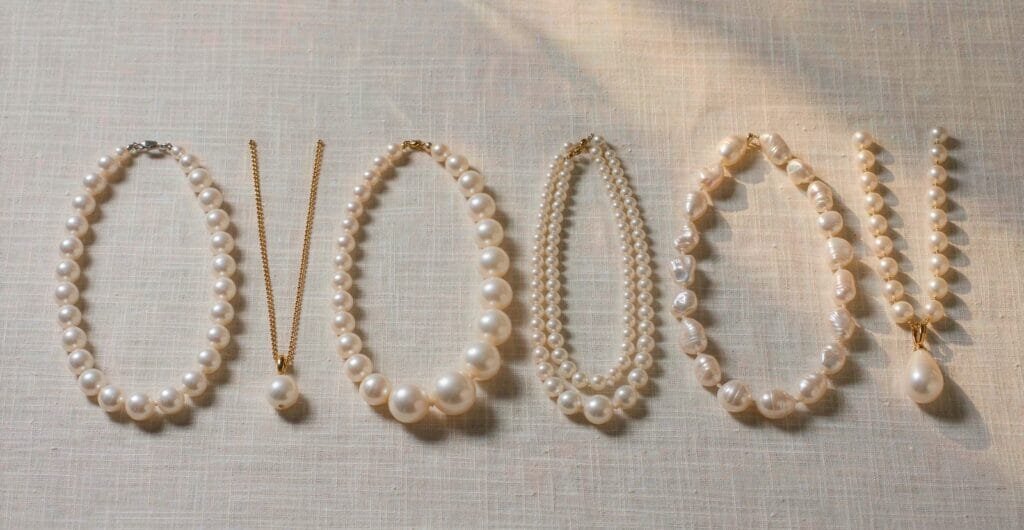
Pearl jewelry for teens works best when it is picked for her age and routine, not for resale value. This guide gives five buying rules on size, metal, durability, budget, and choice of style, then maps them to age bands and gift occasions so a parent can buy once and buy well.
Why Pearls Work for Teens
Pearl jewelry suits teenagers because it outlasts trend pieces, moves between school and formal events, and sits across a wide price band. One caveat: a “high value investment” pearl is the wrong frame for a 15 year old who may lose an earring at the pool.
They do not date the way fashion jewelry does
A pearl strand or stud looks as current in a school photo as it does at a wedding twenty years later. Trend accessories often look finished after one season. Pearls are neutral enough to absorb whatever else she is wearing, which is why a single pair of studs can carry through years of changing style without looking tied to a date.
They cross settings without a wardrobe change
The same small pearl pendant works under a school collar, with a recital dress, and at a family dinner. That range matters for a buyer who does not want to own a separate piece for every occasion. A delicate strand dresses up a plain shirt; the same strand sits quietly under a blazer at a formal event. Nothing about the jewelry has to change.
The price band is genuinely wide
Real freshwater pearl pieces start around $30 for a simple pair of studs and run past $300 for a matched set with better luster and a precious metal setting. That spread means a parent can buy a first, everyday piece without overspending, then add a better piece at a later milestone. There is no single “correct” budget, only a budget that matches how the piece will be used.
The one rule that catches parents out
A pearl bought as an investment is a poor fit for a teenager. Investment grades are priced for condition, rarity, and resale, none of which matter if the necklace spends a summer in a gym bag. For this age group, wearability beats grade every time. Buy the piece she will actually reach for, not the one a certificate says is worth more.
The 5 Essential Buying Rules
These five rules cover the decisions that actually change how a gift lands: pearl size, metal choice, construction, budget, and how much of the choice to hand over. Work through them in order, because a mistake in metal or construction will spoil a good pearl faster than a slightly lower grade will.
1. Size down, not up
Smaller pearls suit most teenagers better than large ones. In practice, 6 to 7 mm studs or a 6 to 7 mm pendant read as youthful and sit comfortably on a small earlobe or slim neck, while 8 to 10 mm beads can start to look like adult statement jewelry on a younger wearer. This is a starting point rather than a hard line: a teen who already likes bold pieces may be happy in a larger size. The freshwater pearl size guide explains how diameter changes the look of a piece.
Why it matters: pearl diameter is the single most visible feature of a piece, and it sets how formal the whole thing reads. What to check: look at photos of the pearl worn, not just a ruler shot, and compare with jewelry she already owns. Common mistake: buying a larger size so the gift “lasts longer,” then finding it feels too heavy for daily wear. The freshwater pearl size guide has more on how bead diameter changes a piece.
2. Metal matters more than pearl grade
For a teenager, the metal touching her skin affects daily comfort more than a small difference in pearl luster. Sterling silver, which is 92.5 percent silver, is the dependable baseline. Gold vermeil and solid gold are better still for sensitive ears but cost more. Plated base metal is the one to treat with care, because a worn coating can expose nickel underneath and cause irritation.
Why it matters: a pearl of excellent grade set on a reactive metal still ends up in a drawer. What to check: ask for the metal of every component that touches skin, including the post and the backing, not only the visible setting. Common mistake: assuming “gold tone” means solid gold, or that “hypoallergenic” on a listing is a material specification. If the seller will not name the metal, that is an answer in itself.
3. Durability first
Choose the format by how likely it is to survive a school year. Stud earrings are the safest first piece: they are small, hard to snag, and easy to keep in a box. A short pendant is next. Long strands and multi-layer pieces look lovely in a product photo but catch on backpack straps, sports gear, and hair, which is exactly how a first gift gets lost or broken.
Why it matters: the best pearl in the world is useless after one term in a locker. What to check: look for knots between pearls on a strand, a clasp that closes securely, and a chain with a short extender so it can be adjusted as she grows. Common mistake: buying a full necklace, earrings, and bracelet set as a “complete” gift when one well chosen pair of studs would be worn every week.
4. Match the budget to the use, not the occasion
Three practical bands cover most first purchases. At $30 to $80, expect a simple pair of freshwater studs or a small single pearl pendant on silver: everyday pieces that can be worn without worry. At $80 to $150, luster and matching improve, and solid gold posts or a better clasp become realistic. Above $150, a matched strand or a coordinated set is within reach, which makes this the natural band for a milestone gift.
Why it matters: a piece that costs three times as much is not automatically three times as useful to a teenager. What to check: spend on the part that touches skin and on construction quality before spending on grade. Common mistake: stretching the budget for a single “special” piece that is kept in its box for fear of damaging it. Two modest pieces that get worn beat one expensive piece that does not.
5. Let her choose the style
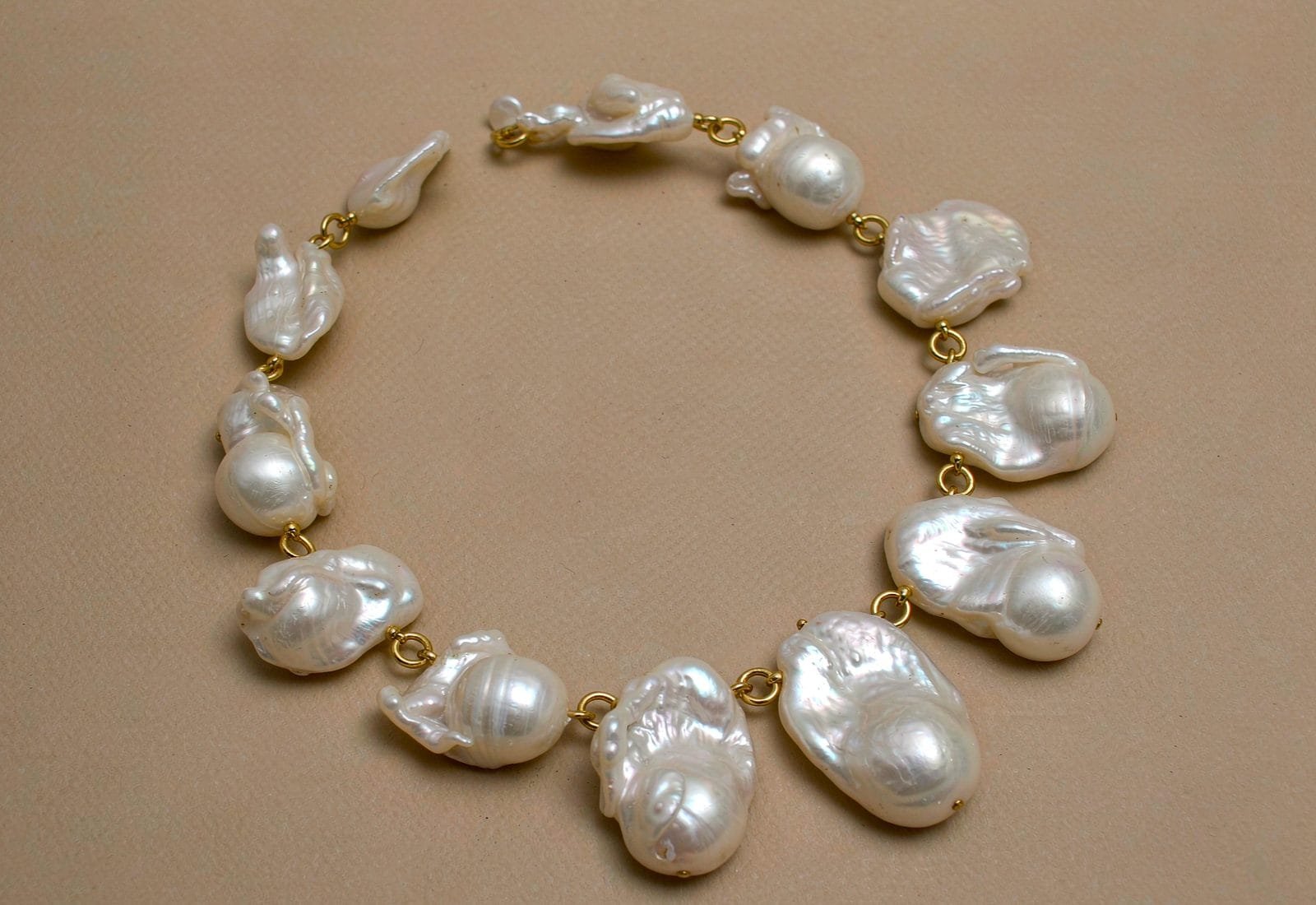
Hand her the style decision while you hold the line on material and size. Freshwater pearls come in white, cream, blush, and lavender, and in round, near-round, and baroque shapes. A teen who likes a clean, classic look may want white rounds; one who prefers a softer, less formal feel may choose a lavender drop. Neither is the wrong choice.
Why it matters: a gift she helped pick is a gift she wears. What to check: offer two or three options that all meet the material and size standards, and let her choose between them. Common mistake: selecting entirely on adult taste, then discovering the piece never leaves its box because it did not feel like hers. The goal is a piece that fits her existing style, not one that expresses a parent’s idea of elegance.
Age Makes a Difference
Age is a useful starting point for size and format, but it is not a rule about taste. Use the bands below to narrow the practical choices, then let her existing jewelry habits decide the rest. A teen who already wears bold pieces will not be converted to tiny studs by a birthday gift.
Ages 13 to 15: studs, small sizes, easy care
At this age, the first piece should be small, durable, and simple to look after. A pair of 5 to 6 mm freshwater studs on sterling silver posts is the most reliable starting point, with a small single pearl pendant as an alternative. Both survive daily wear and do not demand a special outfit. Avoid long strands, multiple layers, and anything with small detachable charms.
If a necklace is the goal, keep the diameter modest and the chain short enough that it does not swing during activity. The pearl necklace length guide breaks down chain lengths by where they sit, which is worth reading before choosing a strand for this age. The point is not to limit her options but to make sure the first piece gets worn rather than managed.
Ages 16 to 18: more room for shape and format
Older teens can handle a short necklace, a slightly larger pearl, and an irregular baroque shape without the piece reading as too mature. This is the age band where personal style starts to matter more than a conservative default. A 6 to 7 mm pendant on a fine chain or a pair of small baroque drops both work well, provided the metal is skin safe.
The same durability logic still applies. Check the clasp and the backing, and favor a piece that can move between a school day and an evening event. See the pearl necklace length guide before you pick a chain, since the same pearl looks quite different at choker length and at princess length.
Graduation and coming of age
A graduation or eighteenth birthday is the point where a coordinated set starts to make sense. A matched pair of earrings and a pendant, or a short strand with matching studs, reads as a milestone gift rather than an everyday accessory. This is also the natural moment for a better metal and a slightly higher grade, because the piece is likely to be kept for years.
Set the set apart from a first piece by its construction: matched pearls, a solid clasp, and a presentation box that will survive being kept. For a fuller comparison of formats and what a set should contain, the pearl jewelry set guide covers the checks that apply to matching pieces.
Gift Occasions
Pearls fit the main milestones on a teenager’s calendar, but the occasion should change the format, not the basic rules on metal and durability. Pick the piece around what she will do that day, then keep the material standards constant.
Birthdays, graduation, Christmas, and sweet sixteen
For a birthday, a single pair of studs or a small pendant is enough, and it leaves room for a better piece at the next milestone. Graduation supports a coordinated set or a slightly longer strand, because the gift is meant to mark a transition. Christmas works well for a first pearl piece when the recipient will be choosing her own style later. A sweet sixteen can carry a more decorative format, such as a baroque drop, without tipping into adult territory.
Two details that are easy to miss
First, packaging matters more than it sounds. A box that can be reused to store the piece solves the storage problem at the same time, because pearls should be kept flat and away from harder jewelry that can scratch them. Second, check the return and exchange terms before buying. Sizing and color are personal, and a seller who allows an exchange makes it far easier to correct a mismatch without turning the gift into an awkward conversation.
Where Parents Get Ripped Off
Buyer communities in Zhuji and on Xiaohongshu describe a small set of recurring problems when parents shop for younger wearers. These are patterns reported by buyers rather than verified tests of specific sellers, and they are useful because each one is easy to check before paying.
“Investment grade” sold to a fifteen year old
The most common mismatch is a seller framing a high grade pearl as an appreciating asset for a teenager. A young wearer will lose an earring, forget a necklace on a trip, and outgrow the piece stylistically long before any resale value matters. The price premium for top grade buys properties that will not be used. Ask what the piece is for; if the answer is a certificate rather than a wardrobe, it is the wrong purchase.
Plated metal presented as solid silver
A listing can show a bright silver finish without saying what is underneath. Plated base metal looks identical in a product photo but wears differently, and a rubbed coating can expose a metal that irritates sensitive ears. The reliable check is a material line that names sterling silver or a specific gold purity, plus a seller willing to confirm the post and backing separately. A price that looks implausibly low for solid silver is usually telling you something.
Pearl size stated larger than measured
Buyer discussions often mention pearls described at one diameter that measure smaller on arrival. The reason this matters for teens is that the visual difference between 6 mm and 8 mm is obvious on a small earlobe, so an inflated listing changes how the gift looks as well as what it costs. Compare the written measurement against a piece she already owns, and treat model photos with different magnifications as illustration rather than evidence. GIA sets out the quality factors that matter, including size, shape, luster, and surface, in its pearl quality guide.
FAQ
Is pearl jewelry appropriate for a teenager?
Yes. Small freshwater pearls in simple formats such as studs or a single pendant are a common first piece for younger wearers. The deciding factors are size, a skin safe metal, and a format she will actually wear, not the age on a label.
What size pearls are best for teens?
For studs, 5 to 7 mm is an easy everyday range. A single pendant can sit slightly larger because it reads differently on a chain. A teenager who already prefers bold jewelry may be comfortable above that range, so treat size as a starting point rather than a rule.
Are pearl earrings safe for sensitive ears?
They can be, provided the post and backing are made from a skin friendly material. Sterling silver and solid gold are the safest common choices. Check every component that touches skin, since a pearl on a reactive post will still cause irritation.
How much should I spend on pearl jewelry for a teen?
A simple pair of freshwater studs or a small pendant usually falls in the $30 to $80 range. Spending $80 to $150 improves luster and metal quality, and above $150 a matched set becomes realistic. Match the spend to how often the piece will be worn.
What pearl jewelry makes a good graduation gift?
A coordinated pair of earrings and a pendant, or a short strand with matching studs, reads as a milestone gift. Choose a solid clasp and a reusable box, and consider a slightly higher grade than a first everyday piece, since graduation gifts tend to be kept.
Can a teenager wear a pearl necklace to school?
Yes, if the chain is short and the piece is simple. A short strand or a small pendant stays out of the way during a school day, while a long necklace can catch on bags and clothing. Check the school’s jewelry rules before buying.
Conclusion: Buy for Her Age, Not for the Vault
The right pearl gift for a teenager is the one that fits her routine. Keep the pearl small, the metal skin safe, the construction simple, and the budget tied to real use. Let her choose the shape and color. An investment grade certificate is not a feature at this age; a piece she wears every week is.
The table below maps age band and budget to a sensible first format. It is a starting point for narrowing a choice, not a substitute for checking the metal and measurements on a specific listing.
| Age band | $30 to $80 | $80 to $150 | $150 and above |
|---|---|---|---|
| 13 to 15 | 5 to 6 mm studs on silver; small single pearl pendant | Better luster studs with solid silver posts; short pendant | Matched stud and pendant set, kept for milestones |
| 16 to 18 | 6 to 7 mm studs; simple freshwater pendant | Baroque drop earrings; short strand on silver | Coordinated strand and earrings with a solid clasp |
| Graduation or coming of age | Single pendant as an add on | Short strand with better matching | Matched set with a reusable box and verified materials |