
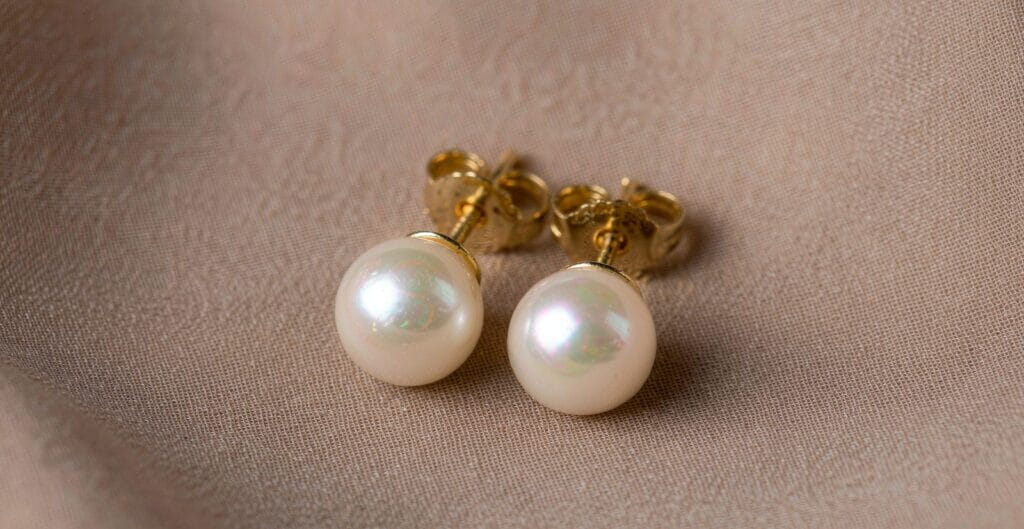
Best Pearl Stud Earrings: 7 Picks That Actually Look Expensive
Pearl stud earrings are the one piece of jewelry almost every woman owns, or will own eventually. They’re versatile, timeless, and supposedly simple to buy.
But here’s what nobody tells you: the difference between a $30 pair and a $150 pair of pearl studs isn’t always visible in a photo. Two studs that look identical on screen can have completely different luster, nacre thickness, and durability once they’re on your ear.
And size? That’s the biggest trap. A 6mm pearl looks dainty in a product shot but barely registers on most earlobes. A 10mm pearl sounds bold but can look like a marble depending on your face shape.
This guide skips the generic advice. Instead, we’ll break down exactly what makes a pearl stud worth its price, which sizes actually flatter your features, and seven picks that deliver genuine quality at every budget tier.
Why Pearl Studs Outsell Every Other Earring Style
Pearl studs aren’t just popular. They dominate the pearl jewelry market. Here’s why:
– They work with everything. From a t-shirt and jeans to a wedding dress, pearl studs never look wrong.
– They’re low-maintenance. No tangling chains, no heavy drops pulling on your earlobe, no fussy clasps.
– They’re the safest first purchase. If you’re new to pearl jewelry, studs are the lowest-risk entry point. You’ll wear them constantly.
But “safe” doesn’t mean “easy to choose.” The same simplicity that makes studs appealing also makes them hard to evaluate. With no elaborate setting or drop design to distract you, the pearl itself has to carry the entire look. That means quality matters more than with any other earring style.
The Pearl Stud Size Trap: Which Millimeter Actually Works
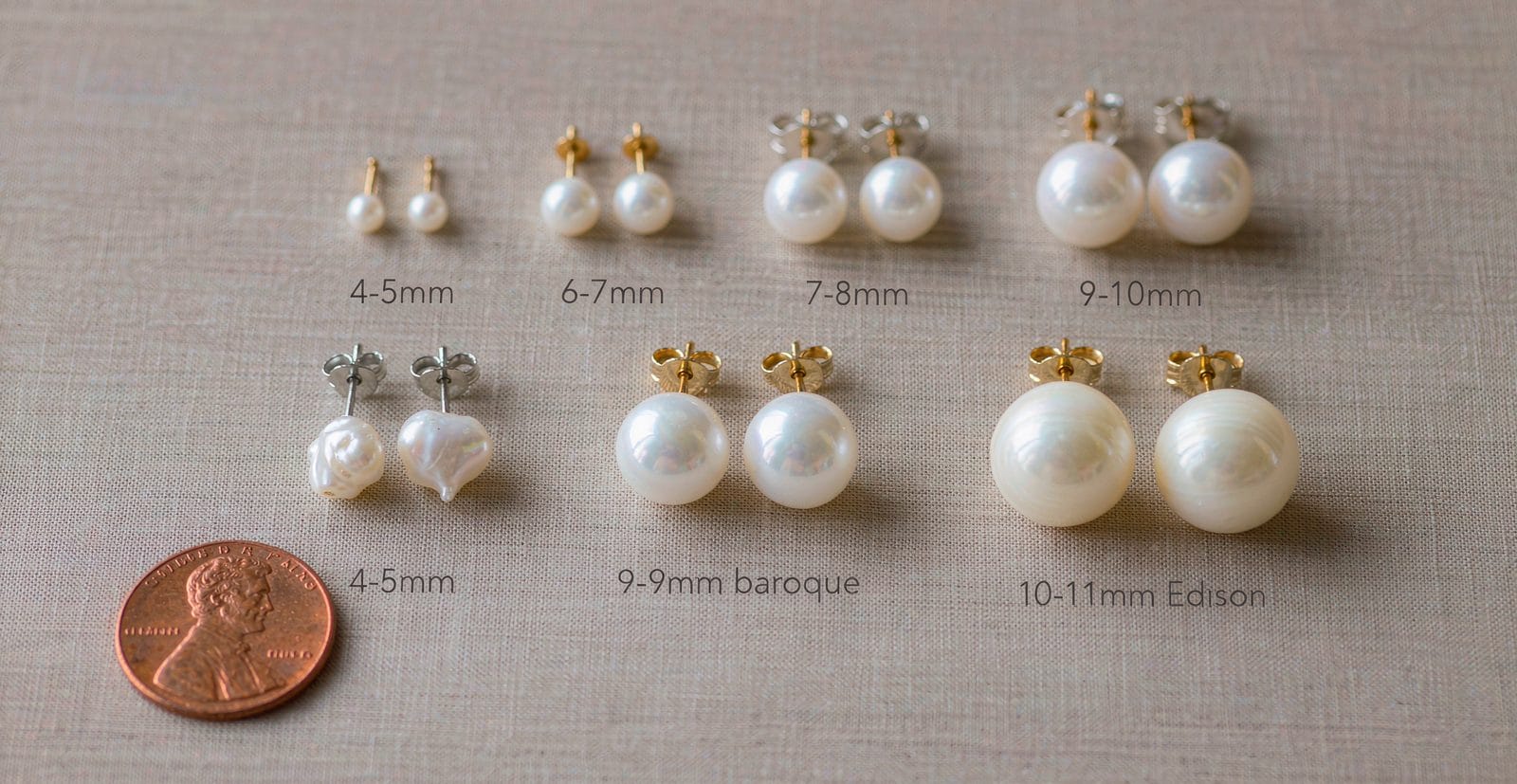
Size is the single most confusing decision when buying pearl studs. Here’s the honest breakdown:
| Size Range | What It Looks Like | Best For | Price Expectation |
|---|---|---|---|
| – | – | – | |
| 4-6mm | Tiny, barely noticeable dots | Second piercings, young teens, minimalist stacking | $20-50 (freshwater) |
| 7-8mm | Classic, balanced, the “sweet spot” | Most adults, everyday wear, office environments | $40-120 (freshwater), $150-400 (Akoya) |
| 9-10mm | Bold, noticeable, eye-catching | Statement looks, larger face features, events | $80-200 (freshwater), $300-600 (Akoya) |
| 11-12mm | Very large, dramatic | Power dressing, bridal, collectors | $150-400 (freshwater) |
| 13-14mm | Showpiece, near-ornament status | Fashion-forward, red carpet, special occasions | $300+ (Edison/south sea) |
The 8mm Rule
If you’re buying your first pair of pearl studs and feel lost about size, go with 7-8mm. This is the global “golden standard”. It has enough presence to be clearly visible without overwhelming most face shapes.
A common mistake: buying 6mm because it sounds “safe.” On most adult earlobes, 6mm pearls look so small they almost disappear. You save money but end up with studs you rarely wear because they don’t make a visual impact.
3 Quality Factors That Separate Good Studs from Disappointing Ones
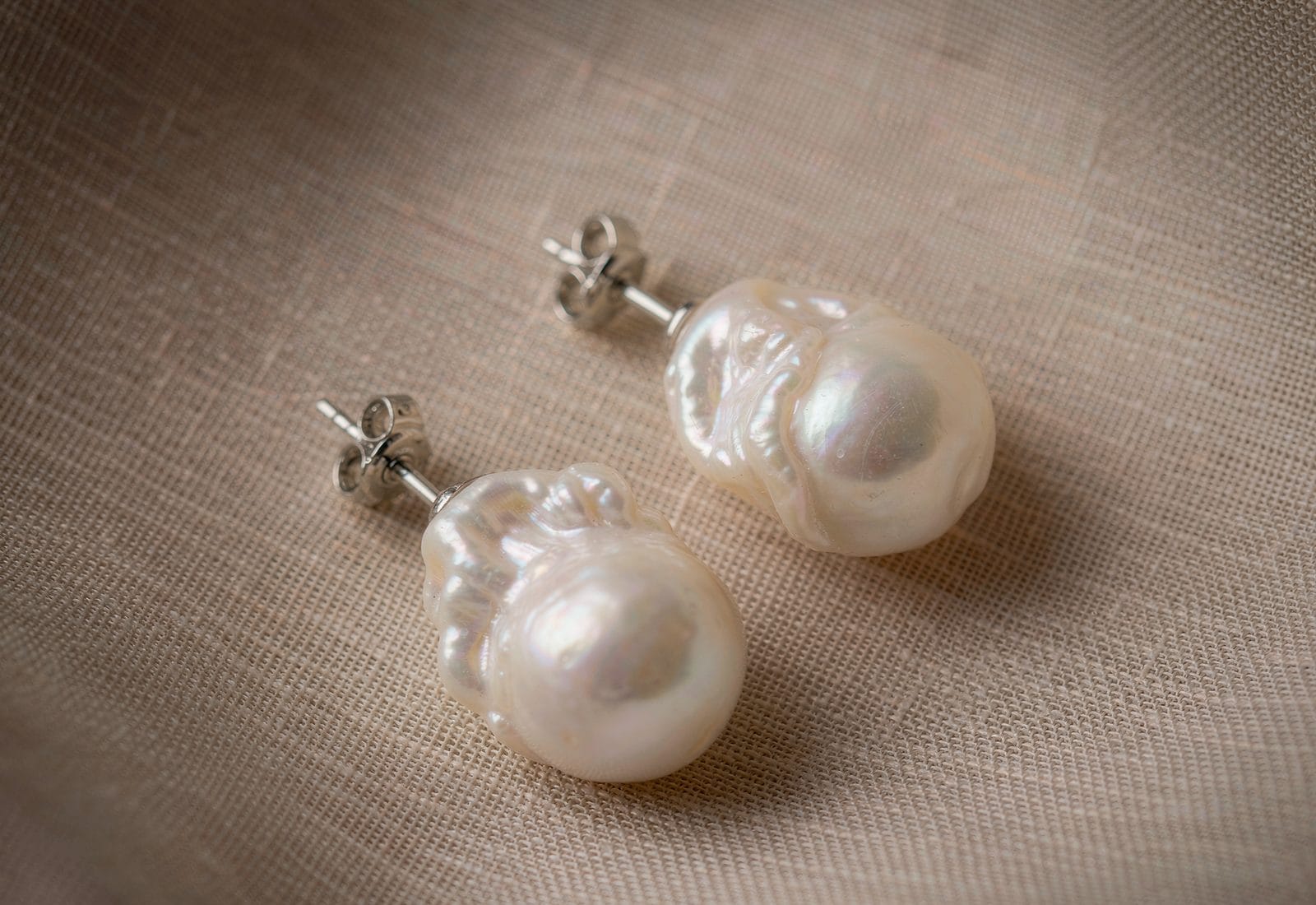
With drop earrings or pendants, the setting and design mask a mediocre pearl. With studs, the pearl is the entire show. Here’s what to actually check:
1. Luster : The Make-or-Break Factor
Luster (the intensity of light reflected off the pearl’s surface) is the single quality factor that most dramatically affects how pearl studs look on your ear.
– Excellent luster: The pearl has a sharp, mirror-like reflection. You can see your own outline in the surface. These studs “glow” even in dim lighting.
– Good luster: Bright reflection but slightly soft edges. Still eye-catching, still beautiful.
– Poor luster: Milky, chalky, or fuzzy reflection. The pearl looks flat and dull. This is what $15 bulk pearl studs typically deliver.
How to check in person: Hold the pearl under a strong light source and look for a sharp reflected image. If the reflection is fuzzy or barely visible, the luster is poor. No amount of beautiful photography will fix that on your ear. The GIA pearl grading standards provide the industry framework for evaluating luster objectively.
How to check online: Look for “AAA” or “AAA+” quality grading, and specifically check if the seller describes luster grade. If they don’t mention luster at all, assume it’s mediocre.
2. Surface Quality
Surface blemishes (spots, ridges, pits) are more visible on studs than on any other pearl jewelry type because the pearl sits flush against your earlobe with no setting detail to distract.
– Clean to near-clean surface (AA+ to AAA): Minimal or no visible blemishes at normal viewing distance. What you want for studs.
– Moderately blemished (AA to A+): Some visible marks that most people notice at conversation distance. Acceptable for necklace strands where marks get distributed, though frustrating on studs where every flaw is front-and-center.
3. Matching Between the Two Pearls
With studs, you’re displaying two pearls right next to your face. If they differ in size, color, or luster, it’s immediately obvious, unlike a necklace where 30+ pearls blend together.
What to look for: Both pearls should match in size (within 0.5mm tolerance), color tone (not one pinkish-white and the other yellowish-white), and luster intensity. Sellers who list “well-matched pair” or show both pearls clearly in product photos are usually more reliable.
Freshwater vs Akoya Studs: Which Type to Buy
This decision affects both your budget and what your studs will look like. Here’s the practical comparison for stud earrings specifically:
| Factor | Freshwater Pearl Studs | Akoya Pearl Studs |
|---|---|---|
| – | – | – |
| Luster | Soft, warm glow | Sharp, mirror-like brilliance |
| Roundness | Near-round to slightly off-round | Very consistently round |
| Price (7-8mm) | $40-120 | $150-400 |
| Durability | Excellent (thick nacre) | Good but thinner nacre (can chip over decades) |
| Best For | Daily wear, budget-conscious buyers | Special occasions, buyers who prioritize maximum luster |
Our recommendation: For most buyers, freshwater studs offer the best value. The luster is warm and natural rather than “mirror-sharp,” but for everyday wear, that warmth is actually more flattering on most skin tones.
Akoya studs are worth the premium only if you specifically want that ultra-bright, crisp reflection. That usually means bridal wear or formal events. The International Gem Society pearl values guide offers a deeper technical comparison between pearl types.
Already know the full comparison? See our [detailed Akoya vs freshwater pearls guide](/akoya-vs-freshwater-pearls/) for the deep dive.
Pearl Stud Metal Guide: Gold vs Silver vs Platinum
The metal setting is the second thing people see after the pearl itself. It also determines durability. A cheap setting will break long before the pearl does.
| Metal | Pros | Cons | Price Impact |
|---|---|---|---|
| – | – | ||
| 14K Yellow Gold | Warm, classic, complements warm-toned pearls | More expensive than silver | Adds $30-80 to stud price |
| 14K White Gold | Clean, modern, doesn’t compete with pearl color | Almost identical look to silver at higher cost | Adds $40-100 |
| Sterling Silver | Affordable, bright, works with cool-toned pearls | Can tarnish over time; softer metal (posts may bend) | Most budget-friendly option |
| Platinum | Ultra-durable, hypoallergenic, won’t tarnish | Very expensive; overkill for most studs | Adds $100+ |
The practical choice: 14K gold posts are worth the upgrade over silver for two reasons. They won’t tarnish, and they’re harder (the post won’t bend from normal wear). Silver is fine for budget studs, but check whether the seller uses solid silver posts or just silver-plated base metal (the latter will irritate sensitive ears).
One caution worth flagging when you compare sellers: this trade has a known A/B pattern. A shop will show you the genuine article in person, then ship something inferior once you’ve paid. It shows up most often with the metal. You might be shown solid K-gold settings and receive gold-plated or lower-karat pieces instead. Be wary of any “export leftover” or clearance pitch that sounds too good to be true, and insist on material proof for what you’re buying. A voice recording of the sales agreement is a reasonable safeguard. Remember you get what you pay for. Top-grade goods sell fast and barely circulate, so a suspiciously cheap “premium” pair is usually a warning sign, not a lucky find.
7 Pearl Stud Picks That Actually Deliver Quality
We evaluated over 40 pearl stud options across every price tier. These seven deliver genuine quality, not just attractive product photos.
1. Best Budget Starter: 6-7mm Freshwater Studs in Sterling Silver
Price range: $25-50
If you’re buying your first pair or want studs you can wear without worrying about losing them, this tier delivers the basics. Look for AAA-grade freshwater pearls with decent luster. You won’t get mirror-sharp reflection, but you’ll get a warm, natural glow that looks pretty in everyday lighting.
What to avoid at this price: Sellers who don’t specify pearl grade. At $25, you’re getting either decent freshwater or very poor quality. The listing needs to tell you which.
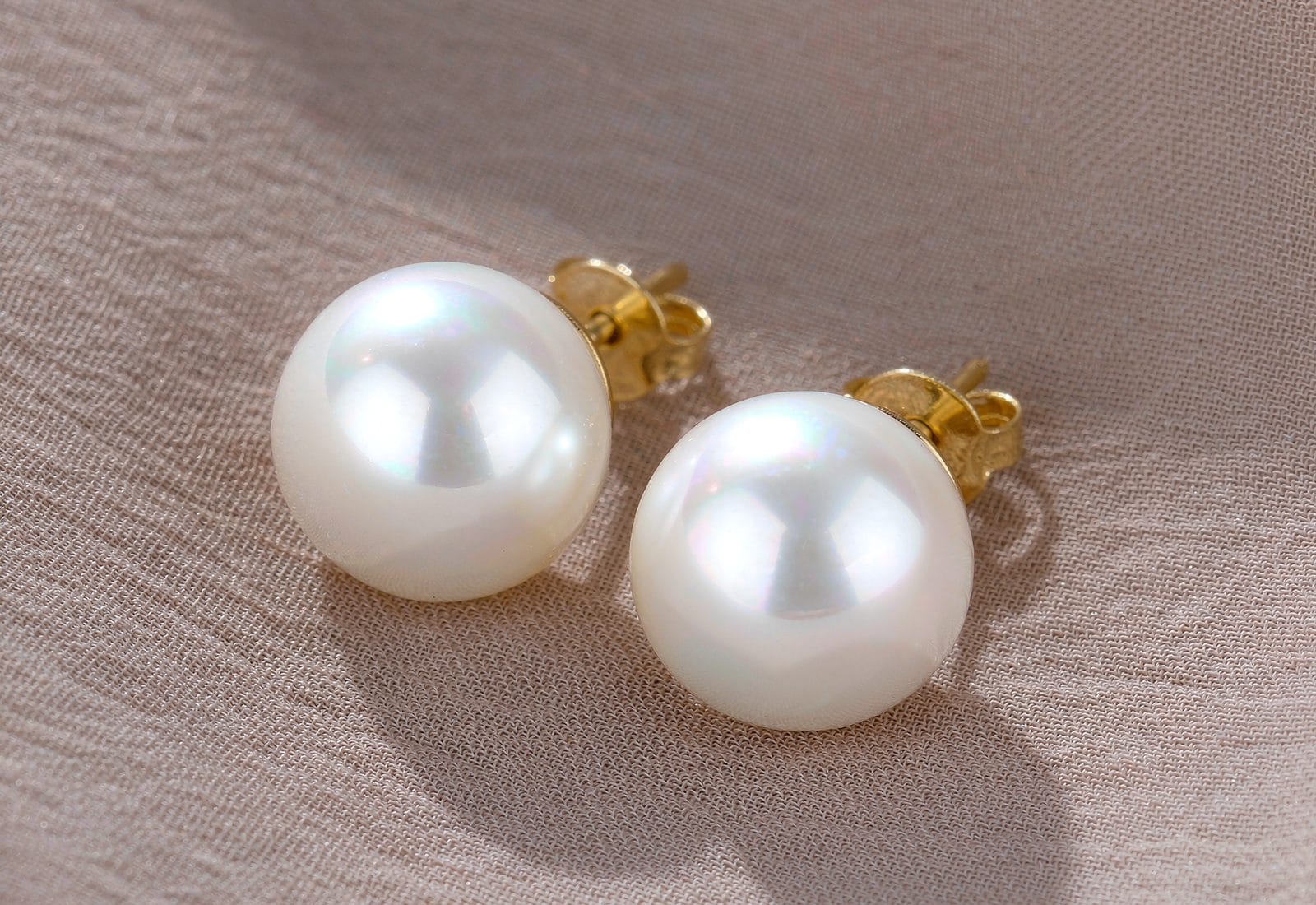
2. Best Everyday Classic: 7-8mm AAA Freshwater Studs in 14K Gold
Price range: $60-120
This is the pair most women end up wearing 90% of the time. 7-8mm is the ideal size for daily wear, AAA luster gives you that warm glow that actually catches light, and 14K gold posts mean no tarnishing or bending.
Why this tier beats budget: The luster upgrade is noticeable. AAA freshwater pearls have a depth and warmth that A-grade pearls don’t. Combined with gold posts, these studs will look good for years with minimal care.
3. Best for Second Piercings: 4-5mm Freshwater Studs
Price range: $20-40
Tiny pearl studs specifically designed for second (or third) ear piercings. They’re lightweight enough for cartilage wear and small enough to complement rather than compete with your main studs.
Styling tip: Pair 4-5mm studs in your second hole with 8mm studs in your first hole for a stacked look that’s trending hard right now.
4. Best Statement Pair: 9-10mm Freshwater Studs in 14K Gold
Price range: $100-200
When you want pearl studs that people notice and comment on. 9-10mm pearls are bold without being absurd. They work for dinner dates, presentations, and any situation where you want to look polished but not overdone.
Quality note: At this size, insist on AAA+ grade. Large freshwater pearls with poor luster look worse than small ones with poor luster. The size makes every flaw more visible.
5. Best Bridal Pair: 7-8mm Akoya Studs in 14K White Gold
Price range: $200-400
Akoya studs deliver that ultra-crisp, mirror-bright luster that photographers love. Under wedding lighting (flash, video, candles), Akoya pearls reflect light with an intensity that freshwater can’t match. White gold settings keep the focus entirely on the pearl without any warm-toned metal competing.
When Akoya is worth it: Bridal wear, formal events, and any situation where photography is involved. For daily coffee-shop wear, freshwater gives you 85% of the visual impact at 30% of the price.
6. Best Baroque Option: 8-9mm Baroque Freshwater Studs
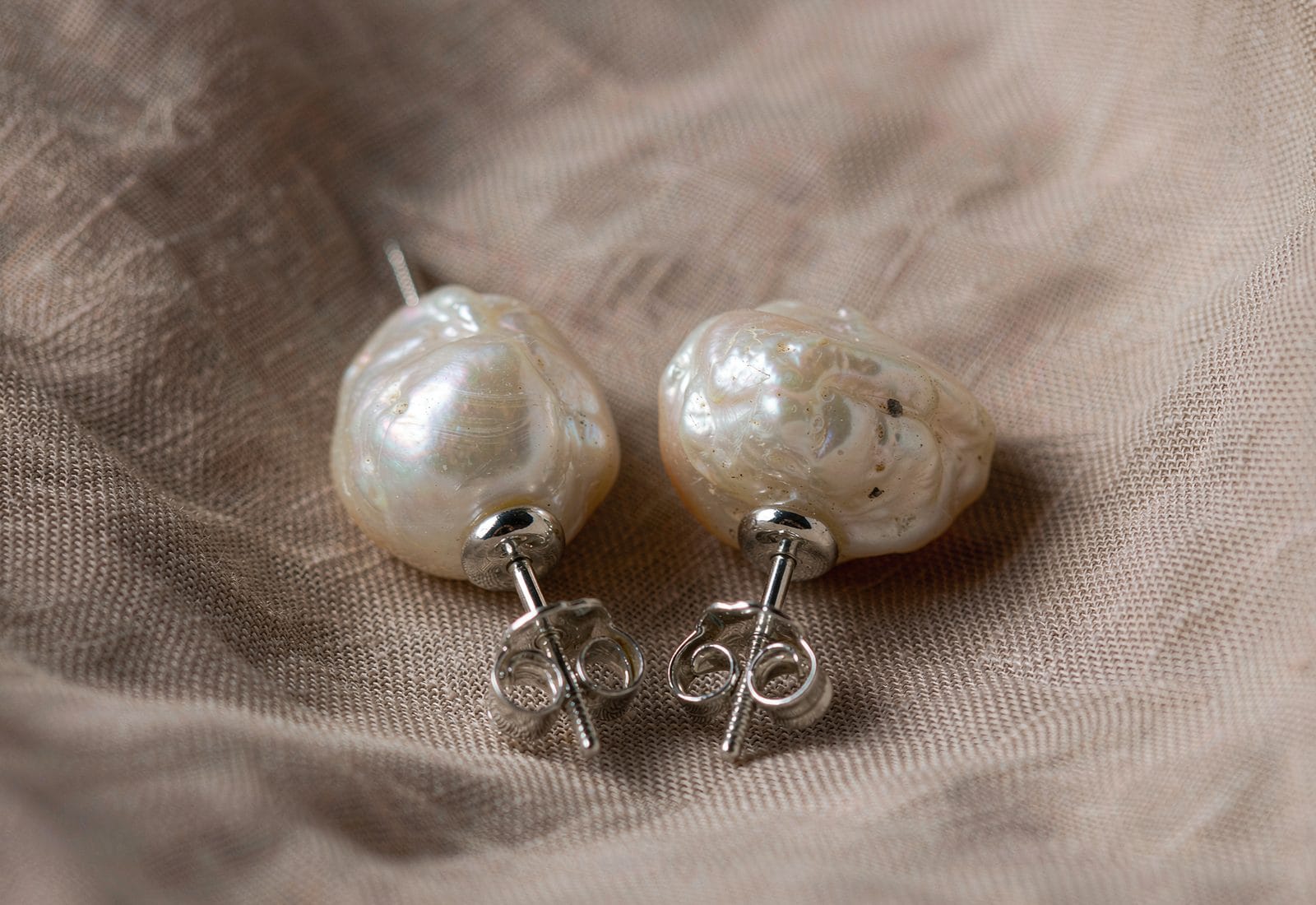
Price range: $50-90
Not everyone wants perfectly round pearls. Baroque studs (irregular, organic shapes) are trending because they look artistic and unique. No two pairs are identical. They’re also more affordable than round pearls at the same size because shape irregularity is considered a “flaw” in traditional grading.
Who these are for: Creative professionals, fashion-forward buyers, anyone who finds perfectly round pearls too “formal” or “grandma-ish.” See our [complete baroque freshwater pearls guide](/baroque-freshwater-pearls/) for more on this style.
7. Best Luxury Pick: 10-11mm Edison Pearl Studs in 14K Gold
Price range: $150-300
Edison pearls are large, round freshwater pearls with surprisingly good luster for their size. They give you the bold presence of 10mm+ pearls at a fraction of what South Sea pearls cost. If you want large, impressive studs that you’ll actually wear (rather than save for “special occasions” that never come), Edison pearls are the smart luxury choice.
What makes Edison special: They’re bead-nucleated (like Akoya), which means consistent roundness and size. Most freshwater pearls are tissue-nucleated and tend toward oval or off-round shapes. Our [Edison pearls guide](/edison-pearls/) covers the full backstory.
How to Match Pearl Stud Size with Your Face Shape
This isn’t arbitrary advice. It’s based on how different pearl sizes interact with your facial proportions.
| Face Shape | Recommended Stud Size | Why |
|---|---|---|
| – | ||
| Round / Full | 8-10mm | Larger studs create contrast and define facial contours |
| Narrow / Long | 9-10mm | Adds visual width for a more balanced silhouette |
| Petite / Delicate | 6-8mm | Complements smaller features without looking “heavy” |
| Oval (balanced) | 7-8mm | The sweet spot, doesn’t need to compensate for anything |
| Square / Angular | 7-8mm with round pearls | Soft round shape contrasts angular jawline |
General rule: If your features are small or delicate, stick with 7-8mm. If your features are bold or your face is wider, you can pull off 9-10mm without it looking disproportionate.
5 Care Rules Specific to Pearl Studs
Pearl studs need different care than necklaces or rings. Here’s what applies specifically to studs:
1. Put them on last, take them off first. Perfume, hairspray, and lotions are the top three pearl killers. Apply all products first, then put your studs on. Taking them off first at night means they don’t soak in residual product while you sleep.
2. Wipe with a soft cloth after every wear. A quick wipe removes body oils and environmental residue before they accumulate. This single habit extends stud life by years.
3. Store them separately from other earrings. Pearl surfaces scratch easily. Don’t toss studs into a shared jewelry box where metal posts and hard gemstones can damage the nacre.
4. Never soak the post in water. Unlike necklaces where you might soak the entire strand, stud posts go through your piercing. Water trapped in the post hole can loosen the adhesive that holds the pearl to the setting.
5. Check the adhesive annually. Most pearl studs are attached to their metal post with epoxy adhesive. Over years, this adhesive can weaken. Gently try to twist the pearl. If it rotates on the post, it needs re-gluing before it falls off.
For the full pearl care system, see our [complete guide on how to clean pearls](/how-to-clean-pearls/) and our [answers on whether freshwater pearls can get wet](/can-freshwater-pearls-get-wet/).
Pearl Stud Earrings FAQ
Are freshwater pearl stud earrings good quality?
Yes. Freshwater pearls produce excellent studs for daily wear. They have thick nacre (the pearl’s outer layer), which makes them more durable than Akoya pearls over years of regular wear. Their luster is warm and soft rather than mirror-sharp, which many people find more flattering for everyday situations.
What size pearl studs should I buy for everyday wear?
7-8mm is the most versatile size for daily wear. It’s clearly visible on most earlobes without being dramatic. If you have very petite features, 6-7mm works. For bold everyday presence, go 9mm. Just know that 10mm+ crosses into “statement” territory and may feel heavy for constant wear.
Why do some pearl studs cost $30 and others cost $300?
Three factors drive the price gap: pearl type (freshwater is far cheaper than Akoya), quality grade (AAA luster costs significantly more than A-grade), and metal setting (14K gold posts add $30-80 vs. silver). A $30 pair typically uses lower-grade freshwater pearls on silver posts; a $300 pair uses high-grade Akoya pearls on gold.
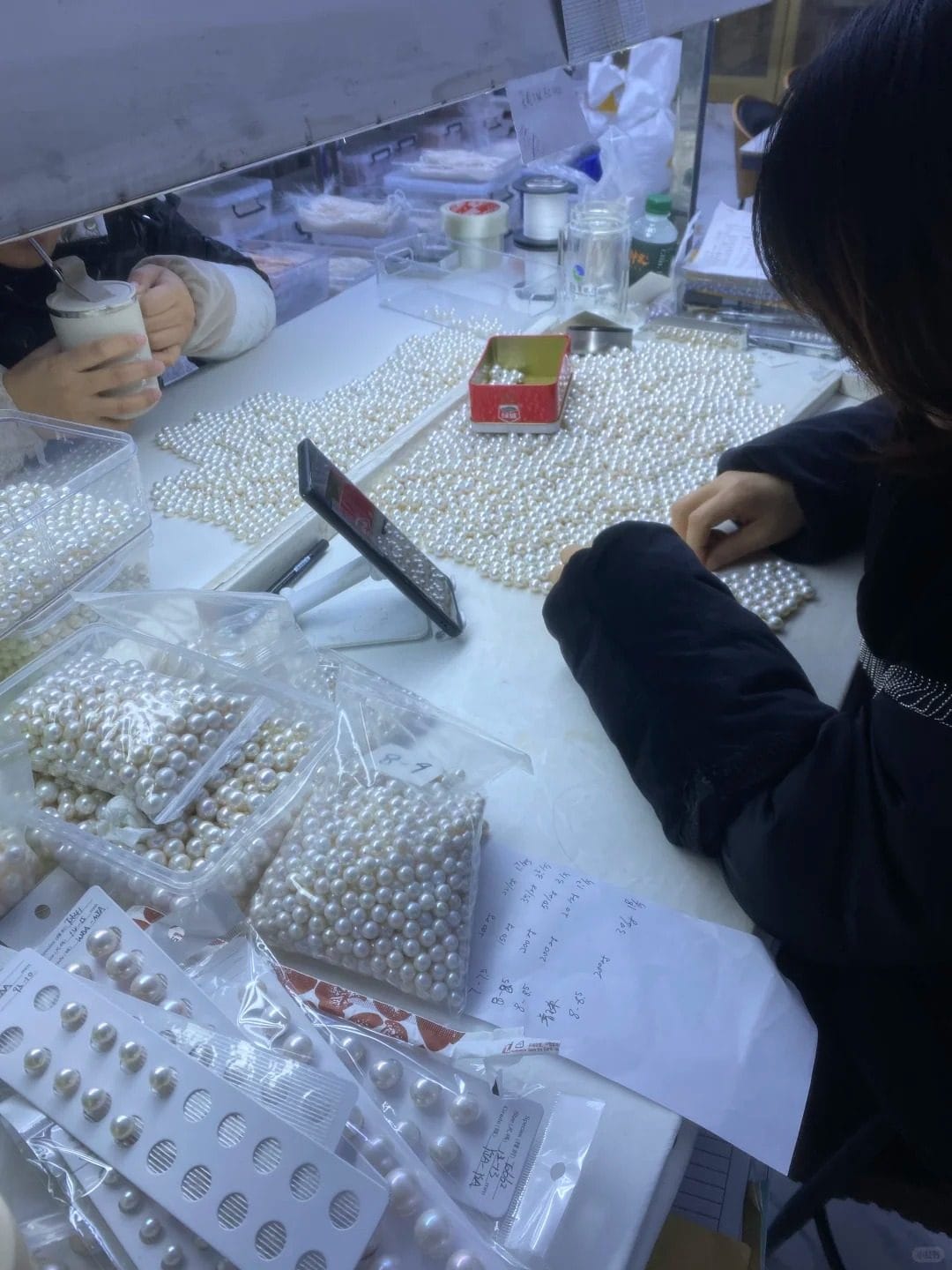
If you’re hunting for the lowest possible price on studs, know your target price band for the quality tier you want before you walk into any shop. Casual visitors almost never clear the bar for true wholesale rates. Those first-hand prices come with minimum-order quantities and a language gap that’s hard to bridge as a one-off buyer. The practical move is to compare at least three shops, then haggle fairly. Buy loose pearls and have the findings fitted locally and you’ll usually save. Local inventory does tend to lean toward mature, traditional styles, but bring a reference photo and a custom pair can often be turned around the same day.
Can I wear pearl studs in the shower?
No. Even brief water exposure weakens the adhesive that attaches the pearl to the post, and repeated exposure will eventually cause the pearl to detach. Perfume and hairspray are equally damaging. Always put studs on after your morning routine, not before. See our [full guide on freshwater pearls and water exposure](/can-freshwater-pearls-get-wet/) for details.
Do pearl studs go out of style?
Pearl studs have been in continuous style for over a century. They’re one of the few jewelry items that transcend every trend cycle. From Victorian-era portraits to 2026 street style, pearl studs are consistently present. The only “trend” shift is toward slightly larger sizes (8-9mm over the traditional 6-7mm) and baroque shapes for fashion-forward looks.
If you’re buying pearls through live-stream rooms or daigou agents, watch for a specific bait. Some live rooms that advertise “Zhuji pearls” end up shipping shell-powder-compressed beads or even plastic beads with fake certificates, sometimes at a tempting 99-yuan price, and the shells may ship from provinces far from the pearl region. A common tactic: a brand-new account lists a loss-leader deal, then moves you to a side account for fulfillment and pulls the listing or blocks anyone who asks hard questions. Before you order, ask exactly what material you’re getting and check the seller’s location. Real pearls from that region mostly ship from Zhejiang, and natural pearls show growth lines and a layered luster under a phone flashlight (fakes look flat and uniformly clear-white). Screen-record the whole order process and keep the video as your evidence if something goes wrong.
Related Articles
- Best Freshwater Pearl Earrings: What No Jeweler Will Tell You
- Best Freshwater Pearl Necklace Guide
- Freshwater Pearl Bracelet: 7 Styles Worth Knowing
- Can Freshwater Pearls Get Wet?
- How to Clean Pearls the Right Way
Authoritative Resources
Get the Free Pearl Buying Checklist
7 quality checks, real price benchmarks, 5 traps to avoid , one 16-page PDF.
Free download. No spam. Unsubscribe anytime.
Shopping for a name instead of the pearl? The honest guide to pearl jewelry brands worth buying explains what brand markup really covers.