
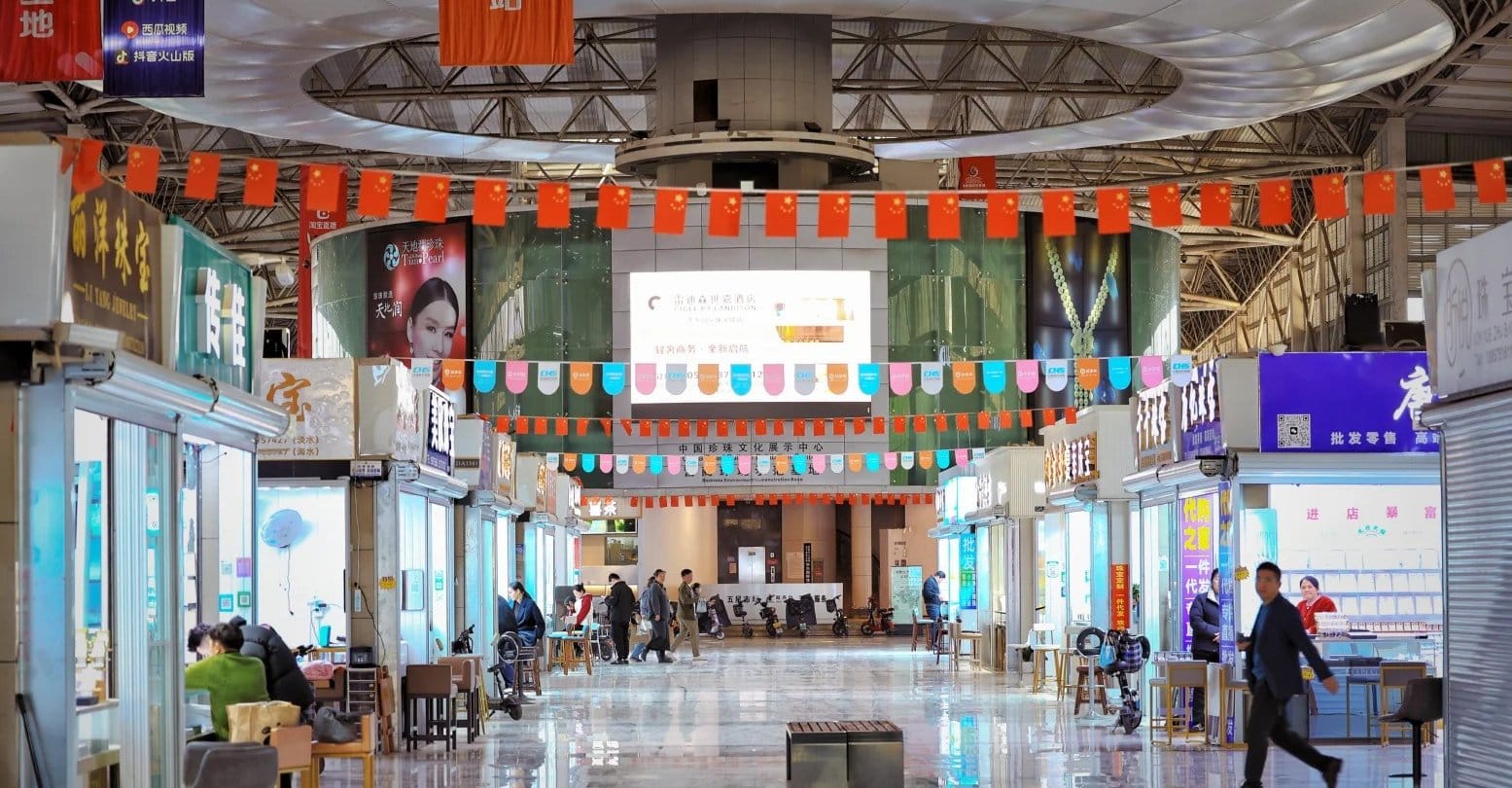
Zhuji market research: Beware of phrases like ‘source direct supply’ or ‘factory price.’ Real wholesale requires volume commitments most individual buyers can’t meet.
Zhuji market research: Online fakes often ship from Henan or other non-Zhejiang provinces, not Zhuji as claimed. Retail buyers rarely get true wholesale prices, sellers know this and price accordingly.
Where to Buy Freshwater Pearls Online: The Short Answer
Online buyer red flags: One shopper reported 1,280 yuan (about $178) in post-sale disputes at Meixin Jewelry (DA1302), including shipping and labor fees plus K-gold swap risk. Beware of phrases like “factory price” or “source direct”. Real wholesale needs volume most individual buyers cannot meet, and many fakes ship from Henan rather than Zhuji.
For most buyers, the safest first stop is a high-rated Amazon seller or an independent brand site such as The Pearl Source, because both give you real buyer protection and clear grading. Want the lowest price and can grade by eye? Direct China routes win, but the risk shifts to you. All five routes are broken down below.
At a Glance: 5 Routes to Know
| Route | Best for | Price band | Risk level |
|---|---|---|---|
| Amazon | Convenience, low price, easy returns | $ | Medium |
| Etsy | Design, handmade, niche styles | $$ | Medium |
| Independent brand sites (DTC) | Graded, certified, gifts | $$ to $$$ | Low to medium |
| Big-name brand sites | Guaranteed authenticity, logo | $$$$ | Low |
| Direct China routes | Best price, bulk buys | $ | High |
Amazon: Convenient, but Know How to Filter
Why buyers go there
Amazon wins on three things: reviews you can filter, returns that actually work, and prices that start low. If you want a strand by Friday and you are not picky about grading, it is the path of least resistance.
The traps
Grade inflation is the big one. A “AAA” freshwater strand on Amazon is often not the same AAA a grader would assign. Listing photos run through heavy filters that flatter luster. And a large share of listings are white-label products that look identical across ten different sellers.
How to filter
- Check the seller rating, not just the product rating.
- Read the negative reviews for specifics about color, shape, and mismatch with photos.
- Look for real customer photos, not just studio shots.
- Confirm the listing states “nucleated freshwater” if that is what you want.
We broke down five price tiers in our real online pearl buying test, which is the fastest way to see what each dollar band actually delivers.
Etsy: Design and Handmade, Check the Seller
Why buyers go there
Etsy is where design and handmade pieces live. If you want a one-off baroque pendant or a custom strand, the small shops there beat the platforms on originality. Learn the baroque and other freshwater pearl shapes before you commission one.
The traps
Small sellers vary wildly. Some are jewelers with years of craft; others are drop-shippers relabeling the same stock. Certificates are rare, so you are trusting photos and reviews.
How to filter
- Look at shop age and the number of sales, not just star average.
- Scan reviews for buyer-uploaded photos of the actual item.
- Read the return policy before you click, since each shop sets its own.
Independent Pearl Brand Websites (DTC): Transparency at a Premium
What this channel actually is
These are brand-owned official sites, such as The Pearl Source, that sell only their own labeled pearls. They are not Amazon marketplace sellers. You are buying from the brand directly.
Why it is the first pick for graded pearls
The upside is control: grading is stated in plain terms, certificates are available on request, and support actually knows the product. You skip the platform’s flood of identical listings. When you want a pearl with a clear grade and a paper trail, this is where to start.
The price truth, and it cuts both ways
Here is the part people oversimplify. A premium-positioned brand site carries a markup for the name and the curation. But a direct-to-consumer site that skips the platform cut (Amazon takes roughly a 20% referral fee on items like these) can land at the same grade and quality for less than a marketplace seller. The only fair comparison is same grade against same grade. Do not pit a marketplace’s inflated “AAA” against a brand’s honest AAA and call it a price gap. The trap is the small unknown site with no track record, so check founding year and independent reviews.
How to tell a solid brand site from a shell
A real brand site shows its age. Look for a founding year, a physical address or showroom, and reviews on platforms it does not control. Independent pearl forums such as Pearl-Guide collect unfiltered buyer experiences that a seller’s own page never will. If a site hides its history, names no grader, and pushes only five-star testimonials, slow down. The good operators are boring on paper: clear policies, real photos, and a phone number that actually rings.
When this route is worth the premium
Choose this route when you want a graded or certified pearl, when it is a gift, or when you are building a collection. Always weigh the same-grade freshwater price against our full freshwater pearl buying guide so you know the going rate.
Big-Name Brand Websites: Guaranteed, but You Pay the Logo
What you are buying
A house like Mikimoto sits at the top, with mid-tier brands below it. You pay for guaranteed authenticity, consistent quality, and the name on the box.
When it is worth it
This route fits gifting, certificate collectors, or any budget with no ceiling. For everyday freshwater, the logo tax is hard to justify, which is why most buyers mix channels. If you are shopping for a strand specifically, our necklace buying guide narrows it down.
Direct China Routes: The Price Is Real, the Risk Is Too
Zhuji reality: farm-gate versus middleman
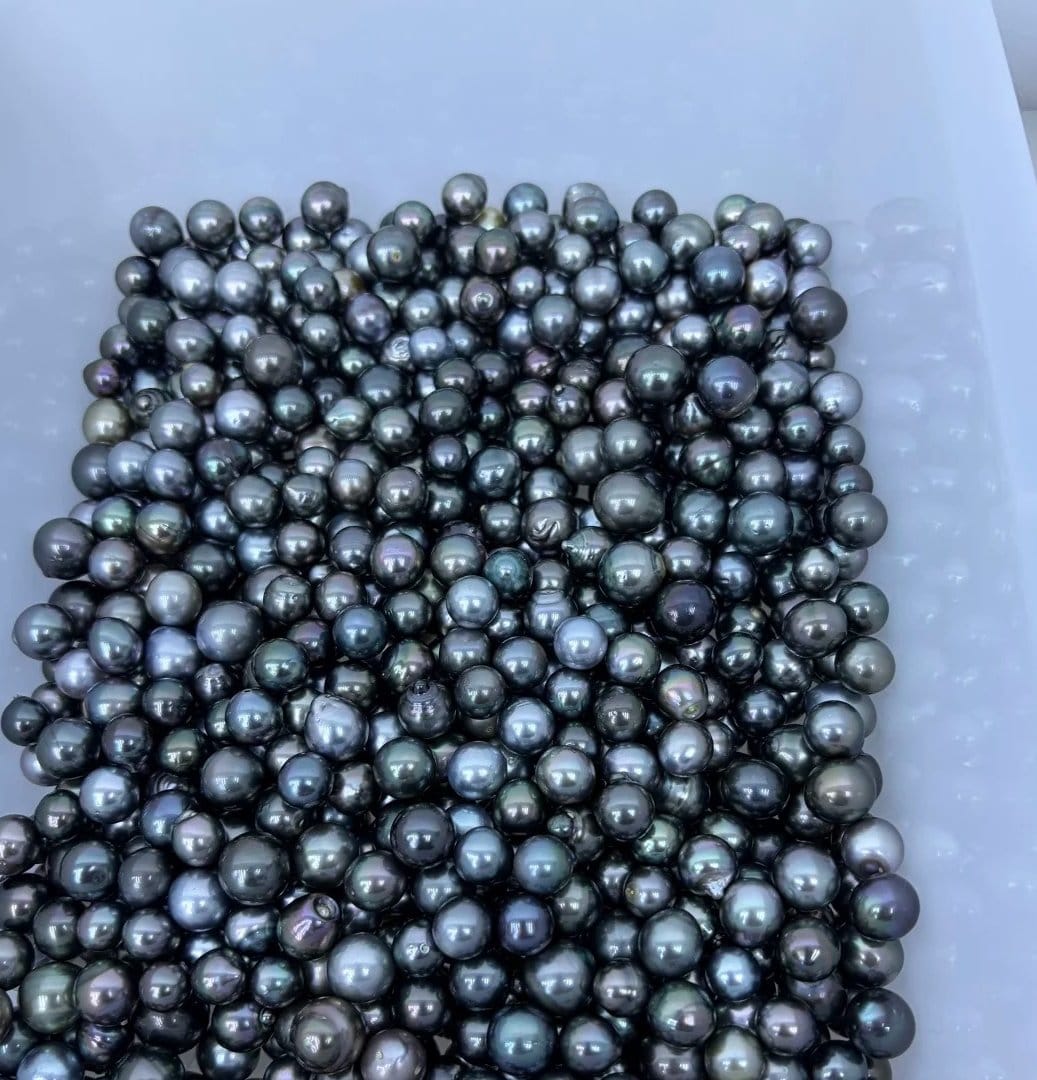
Zhuji is the heart of Chinese freshwater pearl supply, and the gap between what a farmer is paid and what a Western buyer pays is real. Buying closer to the source can mean a much better pearl for the money. The catch is that you now carry the inspection, shipping, and trust risk yourself. There is no platform standing between you and a bad lot.
The traps buyers report
Shipping is the first friction: returns are slow or refused, descriptions drift from the actual item, and you are dealing with sellers who may not answer in your time zone. One pattern shows up repeatedly in buyer reports from Zhuji pearl-buying communities: a shop advertises “Zhuji origin,” yet the parcel ships from a different province. When a buyer pushes, the seller admits the beads are shell pearls. “Nearby warehouse” is a line worth treating as a warning, not a comfort.
For the deeper market mechanics, our inside look at the Zhuji pearl market covers what most Western buyers never see.
Who this route fits
Direct sourcing rewards experienced buyers and bulk purchasers who can grade a loose pearl by eye and absorb a bad batch. New buyers should start on a platform with real buyer protection. To see how China’s freshwater pearl supply chain works, start with the sourcing background.
Red Flags: How to Spot a Scam Seller Instantly
Filtered photos, padded reviews, fake papers
Four signals repeat across scam reports. Studio photos with heavy filters hide uneven luster. Review sections padded with vague praise and no real photos. Certificates that look official but were printed in-house. And grade claims (“AAA freshwater”) that no grader would sign off on.
On certificates: a real lab paper from GIA or a comparable authority means something. A colorful certificate generated by the seller means little. When a listing leans on a certificate you cannot verify, treat the certificate as a selling prop, not proof.
The most blunt example from buyer reports: a Zhuji livestream seller offered “natural pearls with a professional certificate” for 99 yuan. The parcel arrived as plastic beads. The playbook runs like this: a large account drives traffic, a smaller account fulfills the order, the listing vanishes within days, and anyone who asks hard questions gets blocked. The certificate meant nothing because it was fabricated.
A second pattern is shell pearls passed as natural. These are made from crushed shell, glass, and an electroplated coating that mimics pearl sheen. Tell-tale signs: color is too even, luster looks flat, and the bead feels lighter than a real pearl of the same size. This is close to how dyed and treated freshwater pearls get disguised, so uniform color is your first clue. Sellers claim Zhuji origin while shipping fakes, then block skeptical buyers. Zhuji is not the problem. Bad actors just borrow the name.
When the price is too good
A strand priced far below the going rate for its stated size and grade is not a hidden deal. It is the oldest signal in the trade. Real freshwater pearls cost what they cost to grow.
Channel traps to avoid
Two more patterns from on-the-ground buyer reports deserve a place on your checklist. Market lighting misleads: the warm lamps in a jewelry stall make every pearl look better than it is, so inspect under natural daylight before you commit. Freshwater gets passed off as saltwater to justify a higher tag. And some stalls add a mandatory processing fee once they have your loose pearls in hand. Keep written material proof and a recording of any claim about type and origin, because after-sales is where swaps and dodges happen. Accessories break, support goes quiet, and a strand can come back different from what you handed over.
These reports come from real buyer write-ups shared in Zhuji pearl-buying communities on Xiaohongshu. They are field notes from actual buyers, not lab statistics, so read them as cautionary tales rather than hard numbers.
Frequently Asked Questions
Can you buy real pearls on Amazon?
Yes, real freshwater pearls are sold on Amazon, but grading is inconsistent and photos are filtered. Filter by seller rating and real customer photos, and confirm the listing states nucleated freshwater if that matters to you.
Is Etsy trustworthy for pearls?
Etsy is trustworthy for design and handmade pieces when you vet the shop: check age, sales count, and buyer-uploaded photos. Certificates are uncommon, so you trade paper assurance for originality.
Are independent pearl brand sites worth it?
Often yes, and sometimes they beat Amazon on price at the same grade because they skip the platform fee. The key is comparing same grade against same grade, not a marketplace’s inflated AAA against a brand’s honest AAA.
Where to buy cheap freshwater pearls online?
Direct China routes and high-rated Amazon sellers offer the lowest prices, but both shift the risk to you. For new buyers, a platform with strong returns is the safer “cheap.” Our under-$100 necklace breakdown shows what that budget actually buys.
How to spot a scam pearl seller?
Watch for filtered photos with no real shots, reviews padded with vague praise, certificates that look printed in-house, and grades no grader would assign. A price far below market is the oldest red flag. For hands-on checks, our real-pearl tests guide walks through five at-home methods.
Do I need a certificate when buying online?
For gifts, collecting, or high-value strands, a certificate from a recognized lab adds real protection. For an everyday strand under $100, a trusted seller and clear return policy cover most buyers. Learn the grading language first in our freshwater pearl grading guide.
Conclusion: Match the Route to Your Risk Tolerance
So, which route? Want a graded, certified pearl with a paper trail: start at an independent brand site, and compare same grade against same grade because it is often cheaper than the platform. Budget-sensitive and experienced: direct sourcing or a high-rated Amazon seller. After a design piece: Etsy. Gifting and want zero doubt: a big-name brand site. The one rule across every channel is to compare same grade and same quality, then grade inflation loses its power over you. The best place to buy freshwater pearls online is the route that fits your risk tolerance and your budget.
Get the Free Pearl Buying Checklist
7 quality checks, real price benchmarks, 5 traps to avoid, one 16-page PDF.
Free download. No spam. Unsubscribe anytime.