
Shopping for a href=”https://pearldecoded.com/freshwater-pearl-ring/” title=”Freshwater Pearl Ring Guide: 5 Styles & Real Prices (2026)”>freshwater pearl necklace can feel overwhelming at first. You see dazzling displays, wide price ranges, and sales associates tossing around terms like “AAA grade” and “orient” without explaining what they actually mean. That vagueness is part of why pearls are easy to overpay for, so it helps to learn the basics before you buy. pearl buying gets far less intimidating once the jargon is cleared up.
Pearls do not have to be intimidating, and you do not need a luxury budget to own a genuinely beautiful strand. Freshwater pearls have undergone a quiet revolution over the last decade, evolving from the irregular “rice” shapes of the 1990s into some of the most durable gems on the market. The guidance below focuses on what actually affects quality and price, drawing on standards set by bodies such as the Gemological Institute of America.

Why Freshwater Pearls Are the Smartest Pearl Investment
Mention freshwater pearls to an older relative and they may picture the cheap, bumpy beads from decades ago. That stereotype is outdated. Modern freshwater pearls are grown almost entirely from nacre, which is what gives them their durability and value.
Unlike saltwater pearls, which are grown around a large shell bead and end up with only a thin coat of nacre over that bead, most freshwater pearls are tissue-nucleated. A small piece of mantle tissue is implanted into a mussel, and the pearl that forms is solid nacre from surface to centre. That distinction matters when you weigh durability and long-term value. In a tissue-nucleated freshwater pearl, the whole bead is nacre, so an 8 to 10 mm pearl is 8 to 10 mm of solid nacre. By contrast, a bead-nucleated Akoya pearl carries only about 0.3 to 0.8 mm of nacre over a comparatively large bead core. Bead-nucleated freshwater pearls such as Edison work the same way: a thin nacre layer wrapped around an implanted bead.
That solid nacre gives freshwater pearls two real advantages. They are durable: there is no thin coating to wear away and expose a shell bead underneath, the way it can with some saltwater pearls. And the thick nacre produces a warm, soft glow that tends to deepen with age. Small surface marks and slight irregularities are not flaws. They are simply evidence that the pearl is a genuine product of a living mussel.
Your Freshwater Pearl Necklace Buying Guide to Quality (Luster, Surface, Shape, Size)
Pearl grading sounds more complicated than it is. In practice, you only need to weigh four factors to judge whether a necklace is worth the money.
1. Luster: The Soul of the Pearl
Luster is more than surface shine. It is the way light travels through the nacre layers and reflects back to your eye. High-quality pearls show a bright, mirror-like reflection. Look at a pearl closely and you should see a crisp image of your face or the room; the glow should appear to come from within the gem, not just sit on top. Chalky or dull luster is a sign of poor quality, so avoid it regardless of price.
2. Surface: Embracing the Imperfections
A flawless pearl is rare, and on freshwater pearls a completely perfect surface can occasionally be a sign the bead is not genuine. Aim for a clean surface, but do not worry about tiny blemishes, slight pits, or growth lines. Under Chinese grading standards such as T/ZZB 0271-2017, a top-grade pearl should show no defects to the unaided eye; minor marks visible only under 10x magnification are normal and acceptable for fine jewelry. Those small natural textures are simply part of how the pearl formed.
3. Shape: Round vs. Baroque
Perfectly round pearls are the most desired and the most expensive because they are scarce in nature. Older freshwater harvests had a low round-bead rate of around 30%, but advanced farming techniques in regions like Zhuji, China have pushed that share to 60% or more. Do not overlook baroque (irregular) shapes, though. Each one is unique, and their organic forms make distinctive, characterful pieces.
4. Size: Impact on Price and Style
Freshwater pearls range from tiny 2-3mm seed pearls up to 14-15mm giants. The most common size is 6-8mm, which balances presence and price. For reference:
- 6–7mm: Dainty and delicate, perfect for everyday wear or layering.
- 8–9mm: Classic and versatile, ideal for both casual and semi-formal occasions.
- 10mm+: Bold and statement-making. Once you cross the 10mm threshold, prices climb rapidly because larger pearls require longer cultivation times and carry a higher risk of developing blemishes.
Two practical details affect how a strand actually looks and wears: its length and its clasp. Length is quoted end to end, clasp included. The princess length, about 17 to 19 inches (43 to 48 cm), sits just below the collarbone and is the most versatile choice for a first strand. A choker (14 to 16 inches) sits at the throat, a matinee (20 to 24 inches) falls toward the bust, and an opera length (28 to 36 inches) can be doubled for a layered look. For the clasp, a lobster or spring-ring clasp is secure and easy for daily wear, while a fishhook clasp is the traditional, decorative option on finer pearl strands and usually includes a safety latch. On a valuable strand, a secure clasp is worth paying attention to.
Freshwater vs Akoya vs Tahitian: Which Pearl Type Is Right for You?
Among pearl types, you will hear about the “Big Three.”
Freshwater Pearls are the most versatile. Grown in lakes and rivers (mostly in China), they come in a wide range of colors, from white and cream to natural pinks, peaches, and lavenders. They are durable and offer strong value for everyday wear. Choose freshwater for a necklace you can wear often without worrying about the occasional scratch.
Akoya Pearls are the classic choice. Grown in saltwater, mainly in Japan, they are known for their round shapes and sharp, cool luster. They are the traditional strand your grandmother might have worn. Their nacre is thin, though, and they cost notably more than freshwater. Choose Akoya for a formal, timeless look if you are willing to pay a premium for perfectly round beads.
Tahitian Pearls are the bold option. Grown in French Polynesia, they are known for dark, unusual hues ranging from charcoal gray and deep black to peacock green and bronze. They are large, usually 8-18mm, and carry a high price. Choose Tahitian for a dramatic piece that stands out.
| Feature | Freshwater Pearls | Akoya Pearls | Tahitian Pearls |
|---|---|---|---|
| Origin | Freshwater lakes/rivers (primarily China) | Saltwater oceans (primarily Japan) | Saltwater oceans (French Polynesia) |
| Nacre Thickness | Solid nacre (very thick) | Very thin (bead-nucleated) | Medium to thick |
| Durability | Extremely high (won’t wear down) | Lower (prone to chipping/cracking) | High |
| Shape | Near-round to Baroque | Mostly perfectly round | Round to heavily baroque |
| Colors | White, pink, peach, lavender | White, cream, rose overtones | Black, gray, peacock, aubergine |
| Price Range | $20 – $500+ | $100 – $10,000+ | $500 – $25,000+ |
| Best For | Everyday wear, durability, budget-conscious | Ultra-classic, formal events | Edgy, dark, bold statements |
How Much Should You Really Pay for a Freshwater Pearl Necklace?
One of the hardest parts of buying is figuring out whether you are overpaying. Because quality varies so widely, a freshwater strand can cost anywhere from $20 for a simple, lower-grade piece to over $500 for a top-tier, well-matched one.
Here is a realistic breakdown of what you should expect to pay:
- Under $50: You will find smaller pearls (6-7mm) or baroque shapes with good luster but noticeable surface blemishes. These are fantastic for casual, everyday stacking.
- $50 to $150: The sweet spot. You can secure a beautiful 7-8mm or 8-9mm necklace with very good luster and mostly clean surfaces.
- $150 to $500: This buys you premium quality. Expect 9mm+ pearls, sharp mirror-like luster, near-flawless surfaces, and excellent matching across the strand.
A simple sanity check is price per pearl: divide the total cost by the number of pearls in the strand. That baseline makes it easy to spot a strand priced far above its peers. Also remember that size scales price sharply once pearls pass 10mm, because larger beads need longer cultivation and are rarer; a one-millimetre step up can roughly double the cost at the top end. Matching matters too: a tightly matched strand of uniform size, colour, and luster takes far more sorting than an unmatched one and carries a real premium.
If a jeweler tries to sell you a basic freshwater strand for thousands of dollars, walk away. Unless you are looking at massive, gem-quality Edison pearls, a high-end freshwater necklace should rarely cost more than a few hundred dollars.
Why Chinese Freshwater Pearls Offer Unbeatable Value
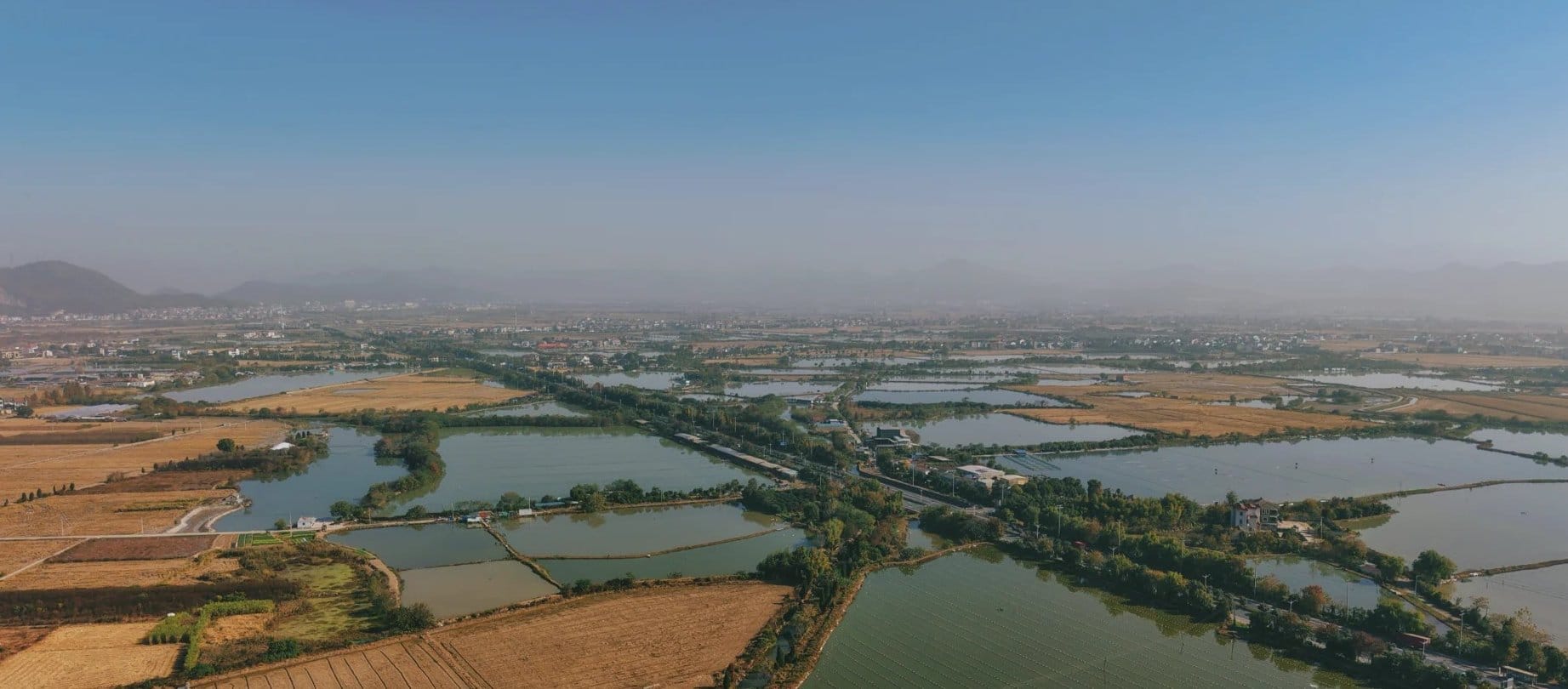
China produces over 95% of the world’s cultured freshwater pearls. For years the market treated Chinese pearls as cheap commodities, but a real improvement in farming quality has changed that view.
Chinese farms have refined their methods. By selecting mussel species such as Hyriopsis cumingii and extending cultivation from the traditional 1-2 years to 3-5 years, farmers now grow bead-nucleated pearls with nacre reaching 0.3 to 0.8 mm, the usual benchmark for commercial jewelry-grade pearls. Leading areas such as Zhuji in Zhejiang now achieve round-bead rates above 60%.
The Edison pearl is a more recent development from China. Edison pearls are made by implanting a large bead nucleus into the mussel, much like saltwater cultivation. The result is large, perfectly round freshwater pearls from 10mm up to over 20mm. Their luster can rival South Sea golden pearls, yet they typically cost one-third to one-half of a comparable saltwater strand.
Even the Japanese Akoya market feels the competitive pressure. Akoya pearls still command the highest per-strand prices, but Chinese production leads on sheer sales volume. Chinese freshwater pearl exports rose by nearly 50% in early 2025 as global buyers took notice of the value on offer. Add in cleaner farming methods, such as automated clear-water systems that cut pollution while raising yields, and it is fair to say that Chinese freshwater pearls have become a serious contender rather than just a budget alternative.
Where to Buy Authentic Freshwater Pearl Necklaces Online
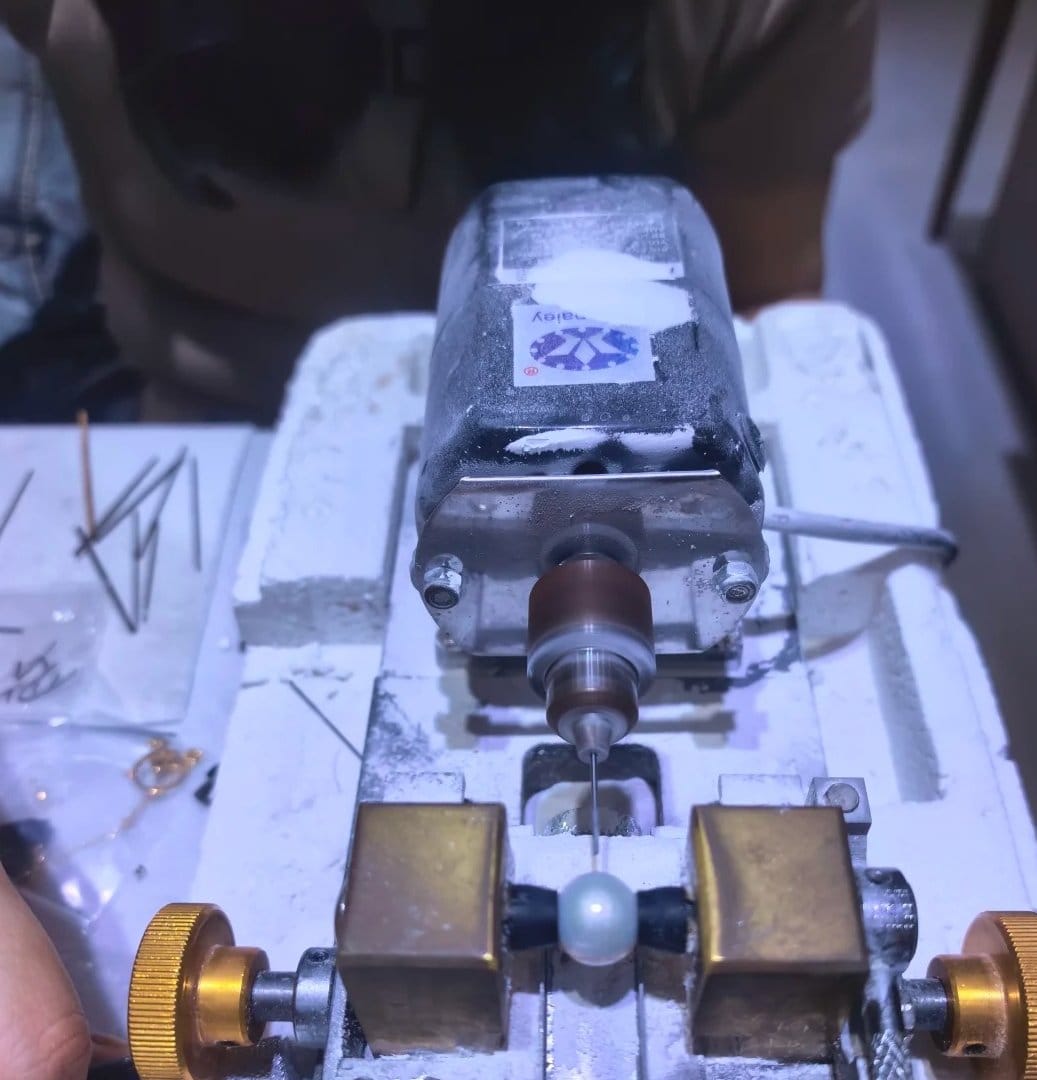
Choosing where to buy matters as much as choosing the pearl. Reputable sellers, whether specialist pearl stores or established online marketplaces, should be willing to answer basic questions: what mollusc and cultivation method produced the pearls, how long they were cultured, and whether the colour is natural or treated. Ask for close-up photos of the drill holes and surfaces, since concentric lines or a visible nucleus near the hole can reveal a bead-nucleated pearl.
Certification helps, but read it carefully. Independent labs such as GIA can grade pearls, and many sellers provide their own grading or cultivator reports. A certificate is only useful if it states what was actually assessed, so check that it covers luster, surface, and nacre, not just a vague grade. Equally important is the return policy: a trustworthy seller offers a reasonable window to inspect the strand at home and return it if the luster or matching disappoints. Keep the paperwork and any photos of the listing until you are certain the piece is right.
Are freshwater pearls real pearls?
Yes. “Cultured” does not mean fake. Cultured freshwater pearls are grown inside living mussels in rivers and lakes. Human involvement only starts the process by inserting a tiny piece of mantle tissue. The mussel does the rest, secreting layer upon layer of genuine nacre to form the pearl.
Why do some freshwater pearls look slightly different from each other?
Unlike Akoya pearls, which are bead-nucleated and easily standardized, most freshwater pearls are tissue-nucleated. Because there is no round bead guiding the shape, the pearl grows freely, resulting in a range of shapes such as oval, button, drop, and baroque. This natural variation is a feature, not a flaw.
What is an Edison pearl?
Edison pearls are a special variety of Chinese freshwater pearl. Unlike traditional freshwater pearls, they are bead-nucleated, allowing them to grow to massive sizes (often 10mm to 20mm+) while maintaining a perfectly round shape. They offer the luster and size of South Sea pearls at a fraction of the cost.
How long do freshwater pearl necklaces last?
Thanks to their solid nacre, freshwater pearls are durable and hold up well over years of wear. They avoid the thin-nacre problem of some saltwater pearls, where the coating can wear away.
Can a freshwater pearl necklace be worn every day?
You can, but handle them with care. Pearls are organic gems and react to harsh chemicals in perfumes, hairsprays, and cosmetics. Put the necklace on last when dressing, wipe it with a soft cloth after wearing, and store it flat in a soft pouch so the silk thread does not stretch.
Frequently Asked Questions
Q: What does ‘AAA grade’ mean for freshwater pearl necklaces?
AAA grade is not a universal standard – it’s a marketing term that varies by vendor. There is no globally enforced pearl grading system. Always evaluate pearls based on the four core factors: luster, surface, shape, and size. A vendor’s ‘AAA’ from one supplier might be another vendor’s ‘AA’ from a stricter grader.
Q: How can I tell if a freshwater pearl necklace is real?
Real pearls feel slightly gritty when you gently rub them against your front teeth. Imitation pearls feel completely smooth. Real pearls also have subtle surface variations and weight; perfect uniformity is often a red flag for fake pearls.
Q: What length necklace should I buy?
The most versatile length is 16-18 inches (40-45cm), which sits at the collarbone and works with most necklines. A 20-inch (50cm) strand falls at the bust. A 36-inch (90cm) strand can be worn as a double or triple strand or long opera style. Choose based on your body frame and how you plan to wear it.
Q: Why are Chinese freshwater pearls cheaper than Japanese Akoya?
China produces over 95% of the world’s freshwater pearls, and modern Chinese farming techniques are highly advanced. The mussel species used (Hyriopsis cumingii) can produce many pearls per mussel simultaneously, dramatically reducing costs. Japanese Akoya pearls cost more partly due to lower production volume, stricter hand-matching, and brand prestige.
Q: How do I care for my freshwater pearl necklace?
Store pearls separately from other jewelry to avoid scratches. Wipe with a soft, lint-free cloth after wearing. Avoid contact with perfumes, hairsprays, and chemicals. Restring your pearl necklace every 1-2 years if worn regularly, especially if the thread appears stretched or dull. Never use ultrasonic cleaners or steam cleaners on pearls.
Q: What is a reasonable price for a quality freshwater pearl necklace?
A strand of good quality 7-8mm round baroque freshwater pearls can cost as little as $50-150. A strand of top quality 9-10mm round pearls typically ranges from $300-800. Be suspicious of any ‘high grade’ strand priced at $50 or less – quality has a minimum cost. Use the price per pearl method: divide total cost by number of pearls to get a baseline quality indicator.
Get the Free Pearl Buying Checklist
7 quality checks, real price benchmarks, 5 traps to avoid , one 16-page PDF.
Free download. No spam. Unsubscribe anytime.
Related reading: Pearl Wedding Jewelry: 7 Tips Every Bride Needs (2026)
Related reading: Pearl vs Moissanite: 4 Honest Differences (2026 Guide)