
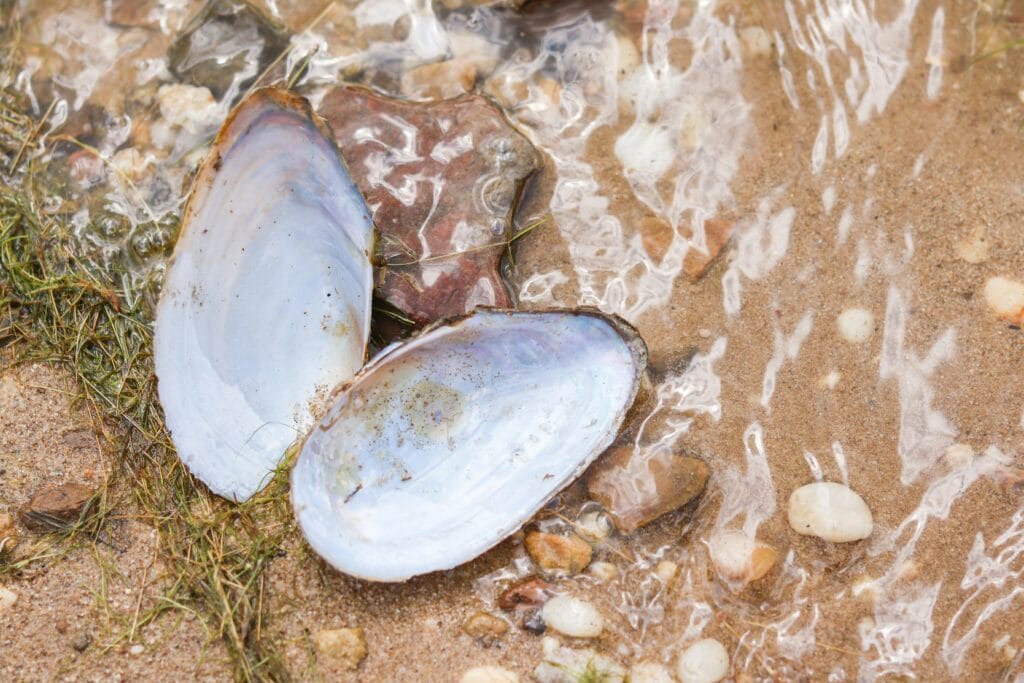
Walk through any jewelry district in the world, and you’ll find Chinese freshwater pearls, often at prices that seem too good to be true. Sometimes they are. But here’s what most buyers don’t realize: China produces over 95% of the world’s freshwater pearls, and within that massive output, quality runs the full spectrum from costume jewelry throwaways to gems that rival Akoya pearls at a fraction of the price. Understanding Chinese freshwater pearls means understanding what actually drives value, and that’s exactly what this guide unpacks.
Why Chinese Freshwater Pearls Dominate the Global Market
Zhuji market research: Zhuji and nearby towns produce roughly 70% of the world’s freshwater pearls. Recent visits showed near-perfect 6-7mm strands at 2,000-3,000 yuan ($278-417), 5.5-6mm at 550 yuan ($76), and entry-level small pearls from 100-300 yuan ($14-42).
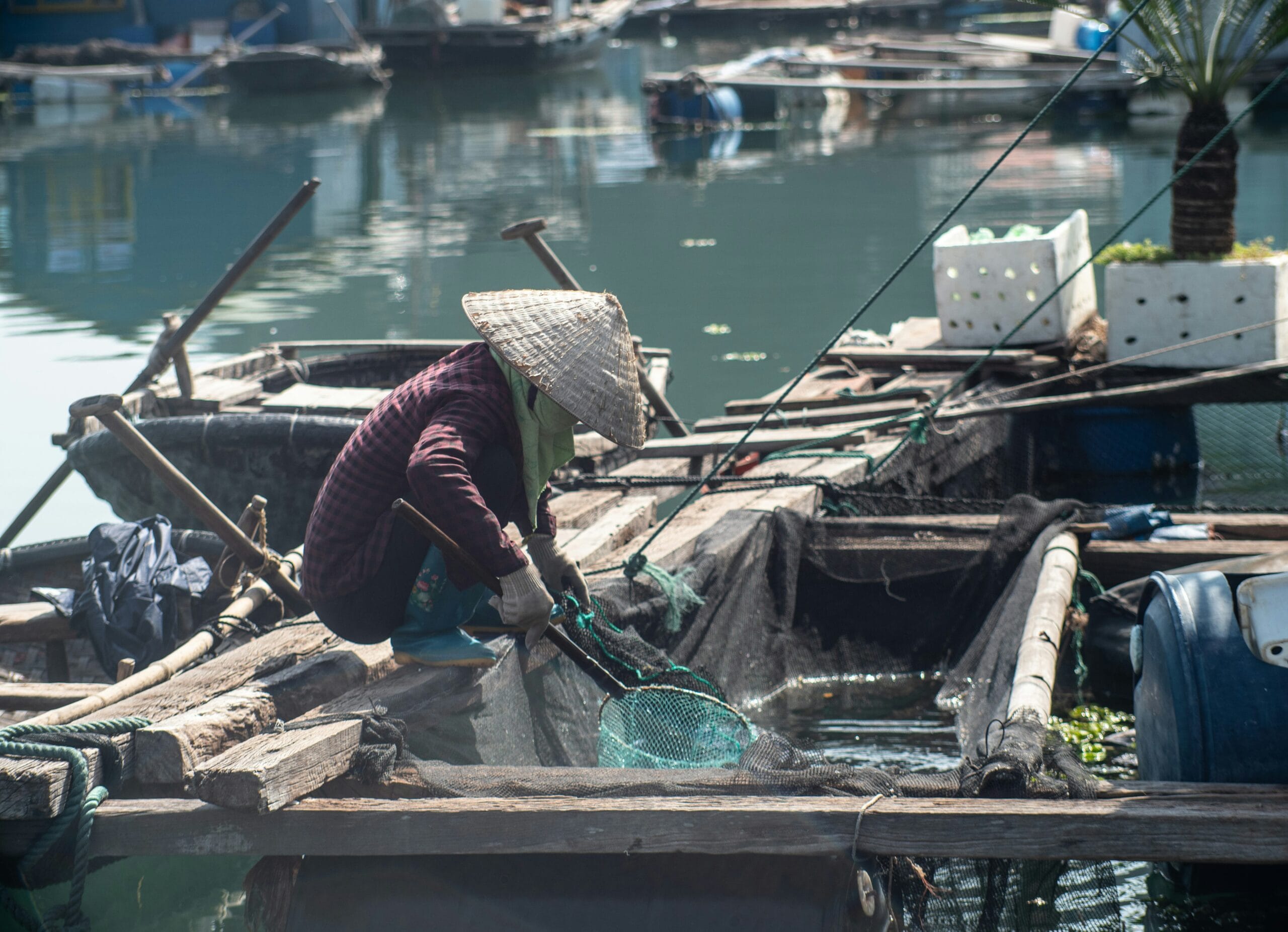
If you’ve bought a freshwater pearl in the last two decades, there’s an overwhelming chance it came from China. The numbers tell the story: Zhuji, a city in Zhejiang province, alone accounts for roughly 80% of global freshwater pearl production. But volume isn’t the only thing that changed. Over the past 15 years, Chinese pearl farming has undergone a quiet revolution that most Western buyers still haven’t caught up with.
In the early 2000s, Chinese freshwater pearls were known for one thing: rice krispie shapes and chalky luster. Farmers prioritized quantity over quality, flooding the market with low-grade pearls that cemented a reputation that persists in some circles even today. But starting around 2010, a new generation of farmers, many educated in Japanese cultivation techniques, began shifting toward quality-driven production. They introduced nucleated freshwater pearl techniques (inserting a shell bead nucleus into the mussel, similar to how Akoya pearls are grown), extended cultivation times from 1-2 years to 3-5 years, and dramatically improved water quality management.
The result? Today’s top-grade Chinese freshwater pearls deliver metallic luster, near-round to round shapes, and a color palette of white, pink, lavender, and peach that no other pearl type can match. And they do it at 10-20% of the price of equivalent Akoya pearls.
Chinese Freshwater Pearls vs. Other Pearl Types
One of the most common questions buyers ask: “Why should I buy Chinese freshwater pearls instead of Akoya, Tahitian, or South Sea pearls?” The answer depends entirely on what you value, but for most buyers the comparison reveals some surprising truths.
Chinese Freshwater vs. Akoya Pearls
Akoya pearls (primarily from Japan) are the classic white pearl necklace standard. They’re known for sharp, mirror-like luster and perfectly round shapes. But here’s the trade-off: Akoya pearls are bead-nucleated with a thin nacre layer (typically 0.4-0.6mm), which means that luster can wear down over decades of wear. High-grade Chinese freshwater pearls, especially the newer bead-nucleated varieties (often marketed as “Edison pearls” or “Ming pearls”), develop nacre layers of 2-4mm, which is four to ten times thicker. That means they maintain their luster far longer.
Price comparison: A strand of 7-8mm fine Akoya pearls runs $500-$2,000. A strand of comparable-grade 7-8mm Chinese freshwater pearls? $80-$400.
Chinese Freshwater vs. Tahitian Pearls
Tahitian pearls are famous for their exotic dark colors: peacock green, aubergine, and charcoal. Chinese freshwater pearls can’t replicate those dark tones. But they offer something Tahitians don’t: natural pastels. Lavender, peach, and pink freshwater pearls achieve their colors without any treatment, while most colored Akoya and some Tahitian pearls undergo dyeing or irradiation. If you want naturally colorful pearls, Chinese freshwater pearls are the most authentic option.
Chinese Freshwater vs. South Sea Pearls
South Sea pearls (white and golden) are the largest cultured pearls, typically 10-16mm. Their satiny luster and substantial size command premium prices: $1,000-$10,000+ per strand. Chinese freshwater pearls now reach sizes of 12-15mm in the bead-nucleated category, with luster approaching South Sea quality, at 5-10% of the price. The satin-like texture of South Sea pearls remains distinctive, but for buyers who prioritize size and luster on a budget, modern Chinese freshwater pearls are a compelling alternative.
How Chinese Freshwater Pearls Are Grown
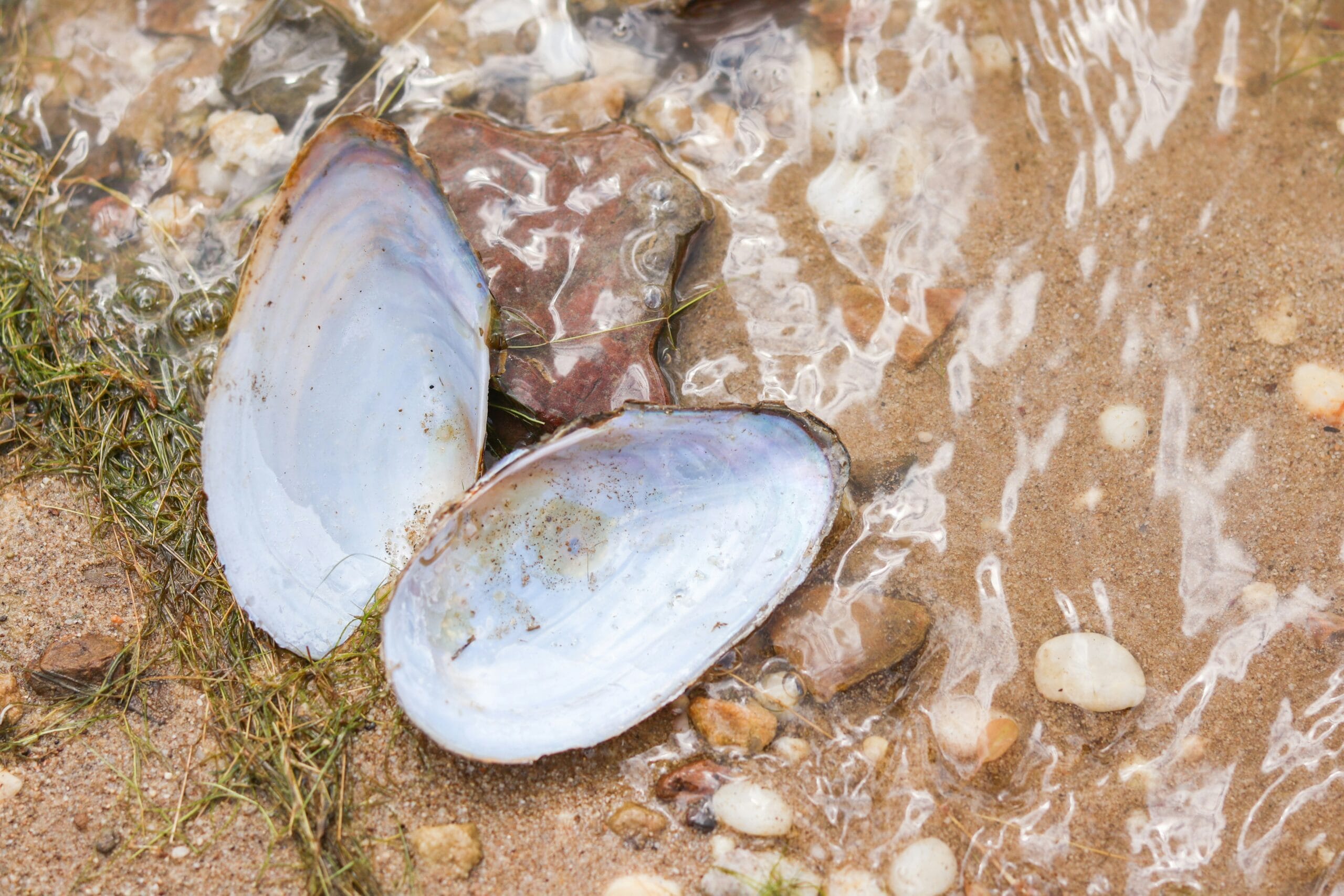
Understanding how Chinese freshwater pearls are cultivated changes how you evaluate them. Most freshwater pearls come from the triangle sail mussel (Hyriopsis cumingii), a species native to China’s river systems. Farmers implant small pieces of mantle tissue (not a bead, in traditional cultivation) into the mussel, which then secretes nacre around the irritant, layer by layer, month by month. For broader context, the cultured pearl overview on Wikipedia provides an academic baseline on pearl farming worldwide.
Key facts about Chinese freshwater pearl cultivation:
- Cultivation period: 2-5 years (longer = thicker nacre, better luster)
- Yield per mussel: 20-50 pearls (traditional) or 1-2 pearls (bead-nucleated)
- Harvest rate: Only 5-10% of harvested pearls achieve jewelry-grade quality
- Peak region: Zhuji, Zhejiang Province, known as “China’s Pearl City”
- Water source: Freshwater lakes, ponds, and reservoirs across the Yangtze River basin
A pearl farmer in Zhuji once described the grading process this way: “Every pearl you reject, I’ve already rejected nine before it.” His point was that for every 100 pearls harvested, only about 10 make it to jewelry grade, and only 1-2 achieve the top grades that export buyers demand.
Quality Factors: How to Grade Chinese Freshwater Pearls
Chinese freshwater pearls are evaluated on five core quality factors. Master these, and you’ll never overpay again.
Global pearl grading standards are maintained by independent gemological authorities. The GIA Pearl Grading Guide provides a comprehensive framework used by professionals worldwide, and understanding it will help you evaluate any pearl, Chinese freshwater or otherwise.
1. Luster (The Deal-Breaker)
Luster is the single most important quality factor, and the one most buyers get wrong. High-quality Chinese freshwater pearls display sharp, metallic reflections where you can see your own reflection clearly. Low-grade pearls look chalky or dull, reflecting light diffusely without definition.
Quick test: Hold the pearl under a light source. If you can see a sharp, bright reflection of the light (like a tiny mirror), the luster is good. If the reflection is blurry or dim, move on.
2. Surface Quality
All cultured pearls have surface imperfections. It is simply the nature of how they form. The question is how many and how visible. Top-grade Chinese freshwater pearls are “clean” to the naked eye at arm’s length. Commercial grades may have visible pits, wrinkles, or chalky spots.
Rule of thumb: For a necklace that will be worn at social distance, minor blemishes that aren’t visible at arm’s length are perfectly acceptable and can save you 30-50% versus “flawless” strands.
3. Shape
Traditionally, Chinese freshwater pearls were known for irregular, off-round shapes. Today’s bead-nucleated freshwater pearls achieve near-perfect rounds, while traditional tissue-nucleated pearls range from oval to baroque. Round pearls command the highest prices, but baroque Chinese freshwater pearls have their own aesthetic appeal, and they cost significantly less.
4. Size
Chinese freshwater pearls span a remarkable size range: 2mm seed pearls to 15mm+ bead-nucleated giants. Price increases dramatically above 8mm, with 10-12mm rounds representing the sweet spot for statement necklaces. For earrings and bracelets, 6-8mm is the most popular range.
5. Color
Natural Chinese freshwater pearl colors include white, cream, pink, peach, and lavender. The rarest, and most valuable, are deep lavender and intense pink with strong overtones. White pearls with rose overtones are the most commercially popular. Avoid pearls with an unnatural, uniform color that suggests dyeing unless the treatment is disclosed by the seller.
The Zhuji Pearl Market: What Most Buyers Never See
The Zhuji pearl market is the world’s largest freshwater pearl trading hub. It’s a city-scale marketplace where pearls are traded like commodities, by the kilo, by the strand, and by the lot. Photos never capture the full scale of the place.
The market operates on a stratification that most overseas buyers never see. Ground-floor stalls display commercial-grade strands priced at $5-20 wholesale. Upper floors house dealers with vault-grade inventory, including single strands of top-grade 8-9mm rounds that would retail for $300-800 in Western markets. The difference between floors is the difference between a souvenir and an heirloom.
One dealer who sells at the market regularly pulls out a velvet tray and says: “These are the pearls I don’t show tourists.” He’s not being elitist, he’s being practical. Most casual buyers can’t tell the difference between his $20 strand and his $200 strand, and explaining it to each walk-in customer would consume his entire day.
How to Buy Chinese Freshwater Pearls Online (Without Getting Burned)
Buying Chinese freshwater pearls online can feel like navigating a minefield. Photos can be misleading, descriptions are often inflated, and return policies vary wildly. Here is a practical framework for evaluating any online pearl purchase.
Red Flags to Watch For
- “AAA Quality” without specifics: There’s no universal pearl grading standard. If a seller uses “AAA” without defining what that means for luster, surface, shape, and nacre thickness, they’re relying on marketing, not transparency.
- Studio lighting only: If every photo is shot under bright studio lights with no natural-light images, the pearls may look significantly different in person. Ask for natural-light photos or a video.
- “Natural color” on perfectly uniform strands: Natural freshwater pearls show subtle color variation. Perfectly matched strands, especially in rare colors, often indicate dyeing.
- No return policy: Reputable sellers offer at least a 7-day return window. If there’s no return policy, there’s a reason.
Questions to Ask the Seller
- “Are these tissue-nucleated or bead-nucleated?” (Bead-nucleated = rounder, thicker nacre, higher price)
- “What is the nacre thickness?” (2mm+ is excellent for freshwater pearls)
- “Are there any treatments or enhancements?” (Dyeing, irradiation, coating)
- “Can you provide a close-up photo in natural light?”
- “What is the exact millimeter range for each pearl on this strand?”
Price Guide: What Chinese Freshwater Pearls Should Cost
Prices vary based on quality, seller location, and market conditions, but here’s a realistic framework for what you should expect to pay for Chinese freshwater pearl strands:
| Grade | Size (mm) | Price Range (18″ Strand) | What to Expect |
|---|---|---|---|
| Commercial | 6-7mm | $20-$60 | Off-round, visible blemishes, moderate luster. Good for casual wear. |
| Good | 7-8mm | $60-$150 | Near-round, minor blemishes, bright luster. Great value sweet spot. |
| Fine | 8-9mm | $150-$400 | Round, clean surface, metallic luster. Comparable to entry-level Akoya. |
| Top Grade | 9-11mm | $400-$1,000+ | Perfectly round, virtually flawless, mirror luster. Bead-nucleated. |
| Edison/Statement | 12-15mm | $500-$3,000+ | Large bead-nucleated pearls, exceptional luster, rare colors. |
Pro tip: The 7-8mm “good” grade is the value sweet spot. You get bright luster, decent shape, and a look that passes for much more expensive pearls at social distance, all for well under $200.
Caring for Your Chinese Freshwater Pearls
One advantage Chinese freshwater pearls have over Akoya: their thicker nacre makes them more durable. But they still require proper care to maintain their luster for decades. Pearls are organic gems. They’re soft (2.5-4.5 on the Mohs scale), porous, and sensitive to chemicals.
- Last on, first off: Put pearls on after perfume, hairspray, and makeup. Remove them first when undressing.
- Wipe after wearing: A soft, damp cloth removes body oils and sweat that can dull luster over time.
- Store separately: Pearls scratch easily. Store them in a soft pouch, away from harder jewelry.
- Restring annually: If worn regularly, silk-strung pearl necklaces should be restrung every 1-2 years to prevent strand breakage.
- Never ultrasonic: Ultrasonic cleaners can crack or dislodge pearls. Stick to gentle hand-cleaning.
Frequently Asked Questions About Chinese Freshwater Pearls
Are Chinese freshwater pearls real pearls?
Yes, absolutely. Chinese freshwater pearls are real cultured pearls, formed by live mollusks depositing layer upon layer of genuine nacre. They’re not imitation or synthetic. The confusion sometimes arises from early 2000s Chinese freshwater pearls being low quality, leading some to question their authenticity. But a pearl’s “realness” is about its composition (nacre), not its origin.
How do Chinese freshwater pearls differ from Japanese Akoya pearls?
The main differences: (1) Nacre thickness: nucleus-free freshwater pearls are solid nacre (diameter = nacre, typically 8-10mm); bead-nucleated and Edison freshwater pearls carry nacre of about 0.3-0.8mm, the same range as Akoya. Durability comes from structure, not thickness alone. (2) Nucleation: traditional freshwater pearls are tissue-nucleated (solid nacre), while Akoya are bead-nucleated (thin nacre over a bead). (3) Colors: freshwater pearls offer natural pinks, peaches, and lavenders; Akoya are predominantly white/cream with rose or silver overtones. (4) Price: freshwater pearls cost 10-20% of equivalent Akoya strands.
Why are Chinese freshwater pearls so cheap?
The perception that Chinese freshwater pearls are “cheap” is outdated. Today, top-grade Chinese freshwater pearls are excellent value, not “cheap” in the quality sense. The lower prices stem from: massive production scale (95%+ of global supply), lower labor costs in China’s pearl farming regions, and the fact that a single freshwater mussel can produce 20-50 pearls (versus 1-2 per Akoya oyster). That said, premium bead-nucleated Chinese freshwater pearls command prices comparable to mid-tier Akoya, and for good reason.
Can Chinese freshwater pearls be perfectly round?
Yes. Modern bead-nucleated Chinese freshwater pearls (sometimes marketed as Edison, Ming, or Soufflé pearls) achieve perfectly round shapes. Even traditional tissue-nucleated freshwater pearls have dramatically improved in roundness over the past decade. If you’re looking at a strand of perfectly round 8mm+ pearls and the price seems too good to be true for Akoya, they’re likely high-grade Chinese freshwater pearls, and they’re absolutely real.
What is the best color for Chinese freshwater pearls?
“Best” is subjective, but here’s the market reality: white Chinese freshwater pearls with strong rose overtones are the most commercially popular and versatile. Lavender pearls are prized for their uniqueness and make striking jewelry pieces. Peach and pink tones offer warmth that complements yellow and rose gold settings. Pure white pearls without overtones can look flat. Instead, look for pearls with visible overtones, which indicate thicker nacre and better luster.
How can I verify that my Chinese freshwater pearls are genuine?
Two reliable tests: (1) The tooth test: gently rub the pearl against the edge of your front tooth. Real nacre feels slightly gritty or sandy; imitation pearls feel smooth or glassy. (2) The temperature test: real pearls feel cool to the touch when first picked up and warm slowly against your skin; plastic imitations warm immediately. For definitive verification, a gemological lab can perform X-ray analysis to confirm nacre structure. For more detail, see the complete guide to pearl authenticity testing.
The Bottom Line: Are Chinese Freshwater Pearls Worth Buying?
For the vast majority of pearl buyers, whether you’re buying your first strand or adding to a collection, Chinese freshwater pearls represent the best value in the pearl market today. They offer genuine nacre, increasingly excellent quality, a wider natural color range than any other pearl type, and price accessibility that Akoya, Tahitian, and South Sea pearls simply cannot match.
The key is knowing what to look for. Buy from sellers who provide detailed quality information, natural-light photos, and a reasonable return policy. Understand the five quality factors (luster, surface, shape, size, color) and prioritize luster above all else. And remember: a $150 strand of well-chosen Chinese freshwater pearls will almost always look better than a $500 mediocre Akoya strand.
Ready to start your search? Browse the freshwater pearl necklace buying guide for specific recommendations, or read how freshwater pearls are formed to deepen your understanding before you buy.
Get the Free Pearl Buying Checklist
7 quality checks, real price benchmarks, 5 traps to avoid , one 16-page PDF.
Free download. No spam. Unsubscribe anytime.
Related Pearl Guides
Keep learning with these hand-picked guides: